
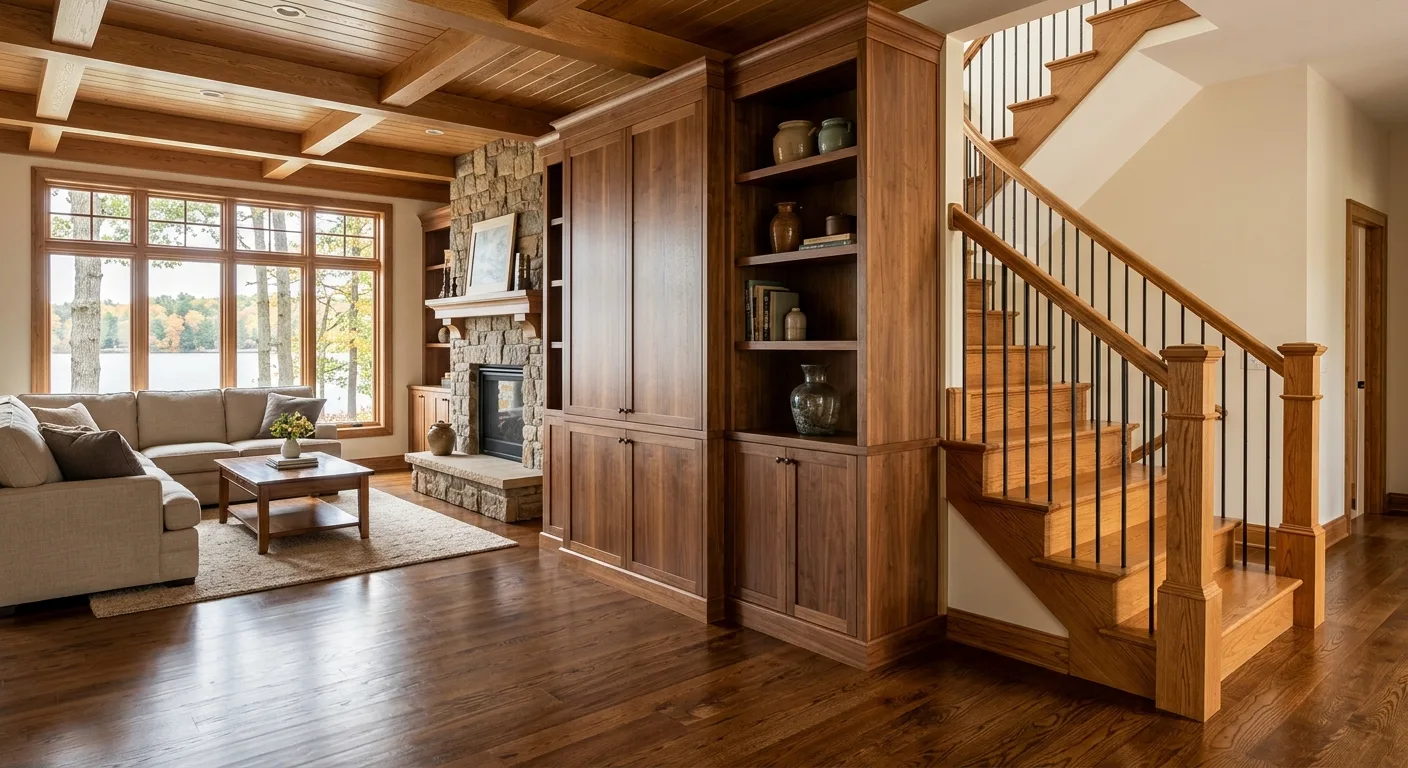
Porch Staining and Wood Refinishing Done Right the First Time
Why homeowners choose Webster's Quality Painting
Staining a porch sounds straightforward until the stain peels two seasons later. The difference between a finish that lasts and one that fails comes down to surface preparation, the right product for the wood species and exposure, and proper application technique. At Webster's Quality Painting, we've been refining that process for 26 years across the Twin Cities metro. Mike Webster backs every exterior wood finishing project with a 2 to 3 year warranty, so if the finish doesn't hold, we come back. Call (612)-987-1566 for a free estimate.
Good wood finishing work starts with reading the substrate. Raw grain, old stain residue, moisture content, and the degree of weathering all determine what prep is required before a single drop of new finish touches the surface. We sand, clean, and condition the wood before applying any stain or sealant. On a typical porch or deck refinishing project, including our dedicated deck staining service, cost varies with the size of the surface, the current condition of the wood, the number of coats required, and the product specified. A small porch railing refresh sits at a very different price point than a full residential exterior wood restoration project covering decking, fascia, and trim. Every job is different. Contact Webster's Quality Painting for an accurate estimate.
Ready to get started?
Call now or request a free quote — we typically respond same day.
What Staining a Porch Actually Involves, Step by Step
Most failures come from skipping prep. Here's how we approach every porch staining and wood refinishing job.
First, we inspect the wood for rot, raised grain, failing sealant, or previous finish that's lifting. Anything structurally compromised gets flagged before a single tool touches the surface. If there's carpentry repair needed, we address that before finishing.
Next comes deck sanding. We sand to bare or near-bare wood depending on how deep the old finish penetrated and whether the grain has opened unevenly from weathering. This step separates a lasting finish from a cosmetic one that peels inside a year.
After sanding, we clean the surface to remove dust, tannins, and any residual oils, then let the wood dry to appropriate moisture content. Applying stain to wet wood is one of the most common mistakes we see from rushed jobs.
Finally, we apply the stain or sealant in the recommended number of coats, working with the grain and maintaining a wet edge to prevent lap marks. Product choice matters here. Oil-based penetrating stains behave differently on aged pine than on fresh cedar, and we match the product to the wood and the exposure conditions.
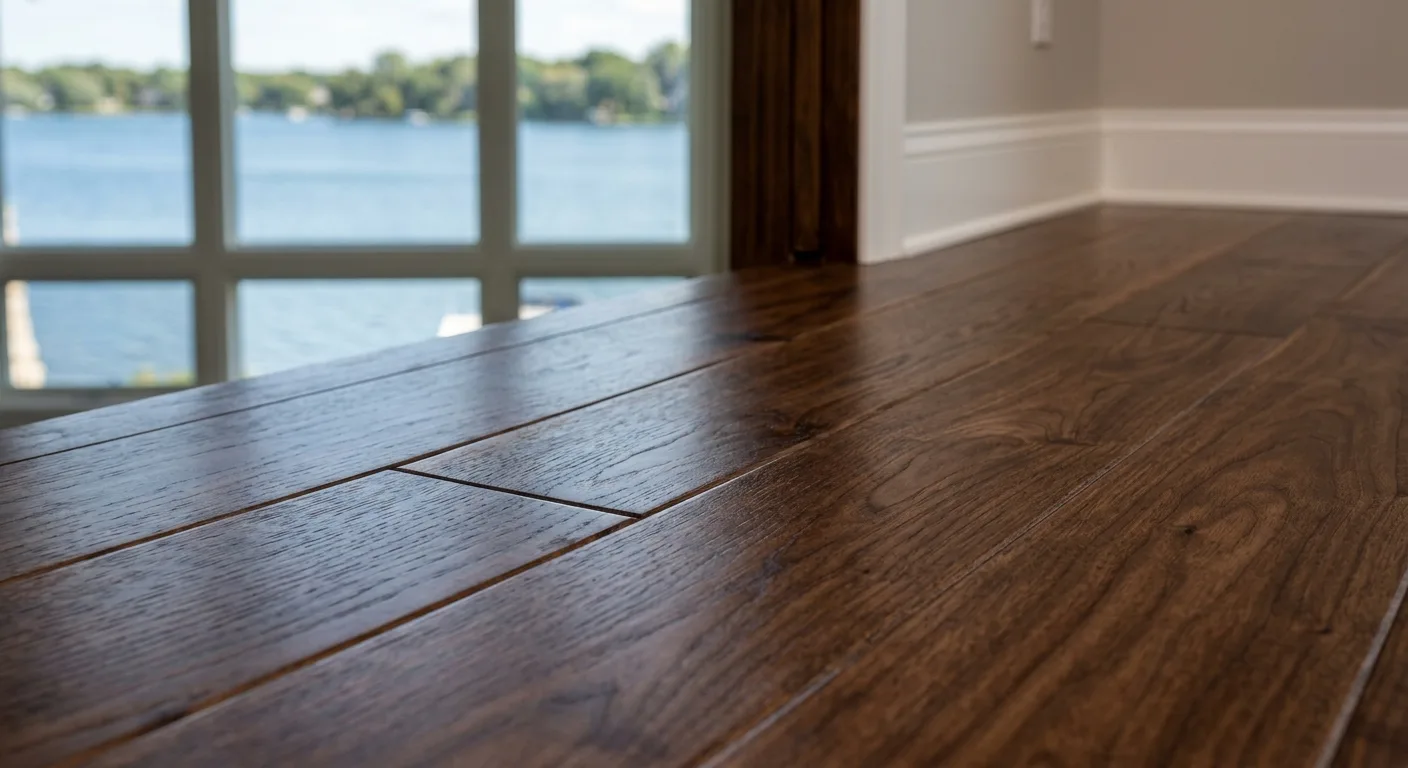
Refinishing vs. Replacing: What the Numbers Actually Look Like
Refinishing almost always costs less than replacement, and in most cases it's the structurally sound choice if the wood itself is intact. A porch deck with peeling finish, grayed grain, and surface checks is not a deck that needs to be torn out. It needs sanding, restoration, and a proper penetrating finish that lets the wood breathe.
Replacement makes sense when the wood is soft underfoot, when rot has compromised structural members, or when the species is no longer worth refinishing because it's been painted over repeatedly with film-forming coatings that have sealed the grain. We'll tell you honestly which situation you're in. We won't push restoration on wood that genuinely needs replacement, and we won't push replacement on wood that refinishing would serve just as well for another decade.
For full exterior wood restoration projects across the Twin Cities, from Burnsville to Andover to Woodbury, the scope of work drives the price more than any other factor. Every job is different. Contact Webster's Quality Painting for an accurate estimate.
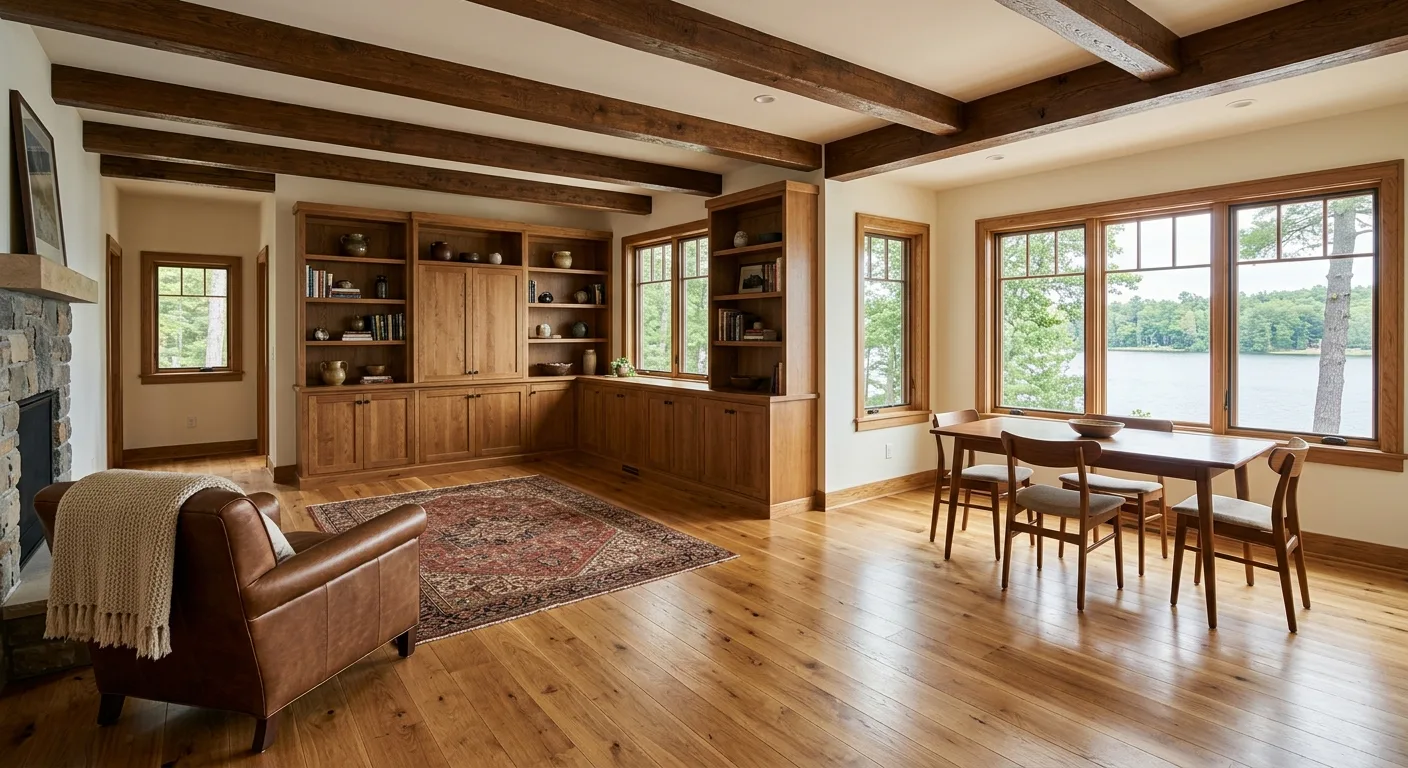
Three Types of Wood Finish and When to Use Each
Understanding finish types helps you have a real conversation about what's right for your wood. Here's a direct breakdown.
Penetrating oil stains soak into the grain rather than forming a film on the surface. They won't peel because there's no surface layer to lift. They do need reapplication more often than film-forming finishes, typically every two to four years depending on sun and moisture exposure. Best for decking and horizontal surfaces that take direct weather.
Film-forming finishes, including varnishes, polyurethanes, and solid stains, sit on top of the wood and create a protective layer. They last longer between recoats but are far more susceptible to peeling when moisture gets underneath. On exterior surfaces, this is a real concern. We generally steer clients away from film-forming finishes on horizontal exterior decking unless the wood is covered and protected from standing water.
Hardwax oils occupy a middle ground. They penetrate while leaving a thin surface layer. They're durable, maintainable, and increasingly common on high-end custom color finishes for interior wood floors and cabinetry. For interior refinishing work, they're worth serious consideration.
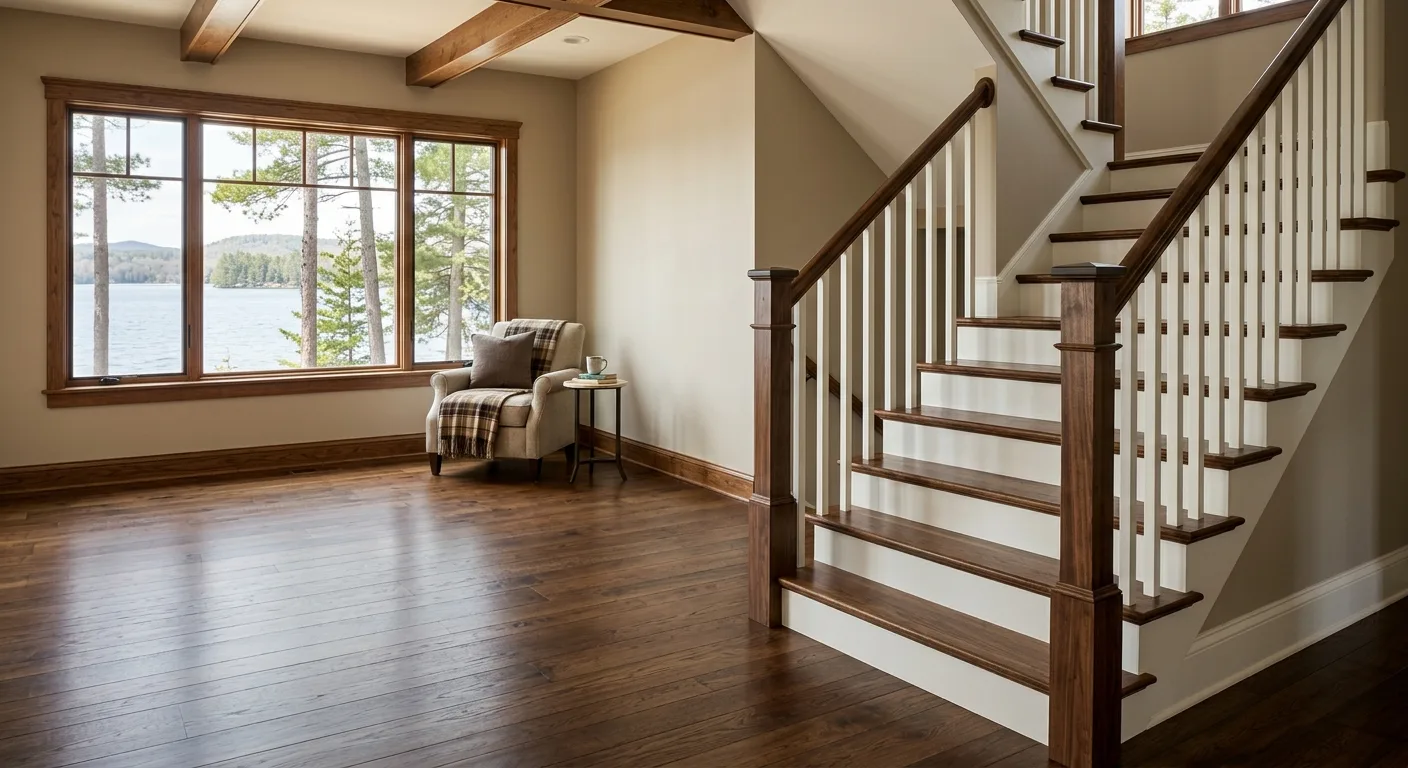
Signs Your Porch or Deck Finish Needs Attention Now
Waiting too long turns a straightforward refinishing job into a full restoration. These are the signals that the wood is telling you to act.
- Graying or silvering grain means UV degradation has stripped the lignin from the surface layer. The wood is still sound but the damage goes deeper each season you wait.
- Water no longer beads on the surface. When stain or sealant stops repelling water, moisture is penetrating the wood and the freeze-thaw cycle will accelerate deterioration through Minnesota winters.
- Peeling or flaking finish means a film-forming product has lost adhesion. Recoating over peeling finish without full removal is a waste of money.
- Soft spots or spongy areas underfoot indicate rot. Address those structurally first.
- Raised grain and splinters mean the surface has been weathered beyond what light sanding can correct.
If your porch shows two or more of these signs, schedule an assessment before the next season sets in. We serve communities across the Twin Cities including Brooklyn Park, Blaine, and St. Paul.
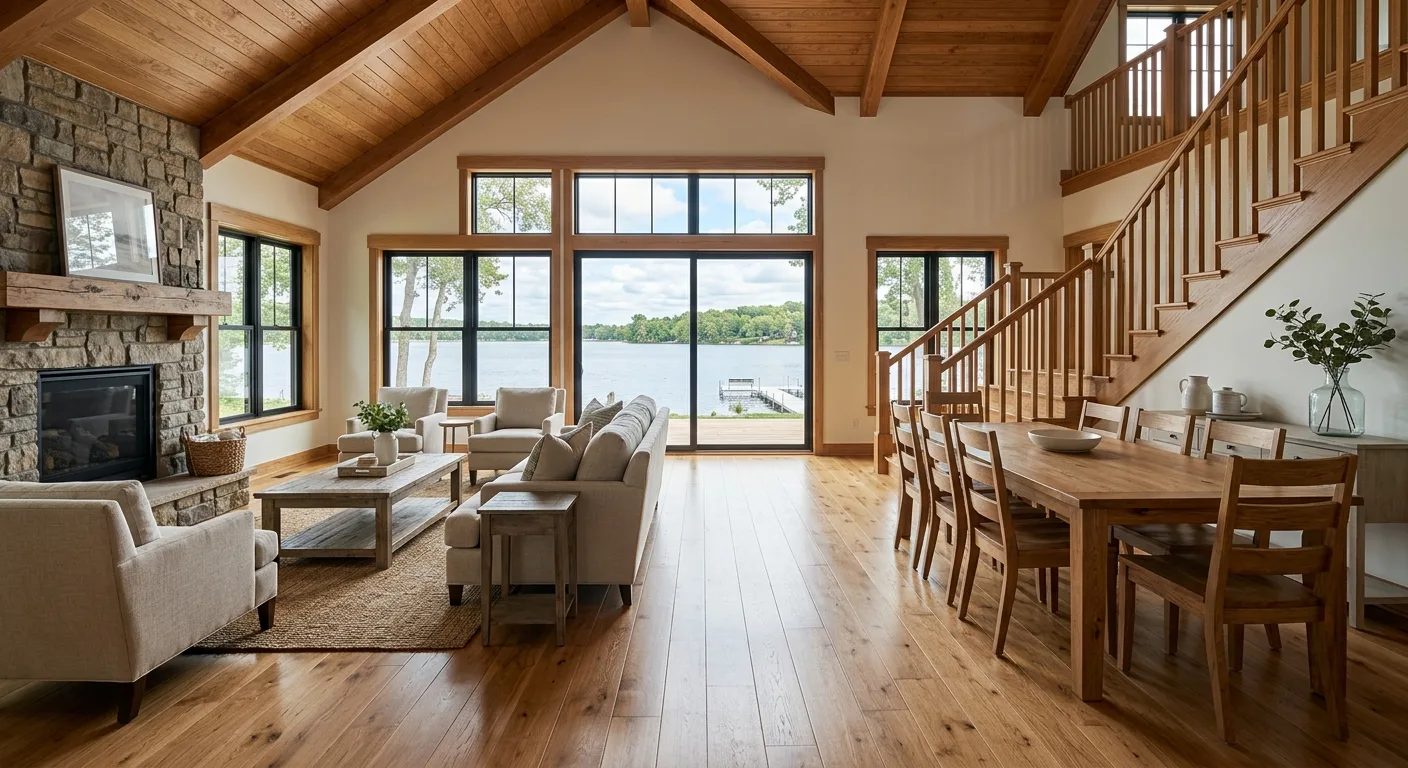
Interior Wood Refinishing: Floors, Trim, and Cabinetry
Porch and deck work gets most of the attention, but interior wood refinishing is just as technically demanding. Stripping and restoring hardwood floors, refinishing stair treads, refreshing trim and casing, and reviving cabinet faces all require the same discipline: proper prep, the right finish chemistry, and patience between coats. When the goal is a painted rather than stained result, rebuilding a worn cabinet finish runs on the same prep-first approach, just carried through to a hard enamel topcoat. On solid-wood doors and cabinetry where you want a factory-smooth painted surface instead of a stain, that work crosses over into our enamel refinishing process.
One thing we don't do on interior refinishing is rush the dry time to fit a tighter schedule. Film-forming finishes applied before the previous coat has fully cured will cloud, peel, or develop adhesion failures that are expensive to correct. The cure time listed on a product label is a minimum, not a suggestion.
For clients considering a full interior refresh that goes beyond wood alone, our residential interior painting services can be coordinated with refinishing work so the sequencing is right. Paint after the finish work, not before.
Have a project in mind?
Free, no-pressure quote — let's talk about what you need.
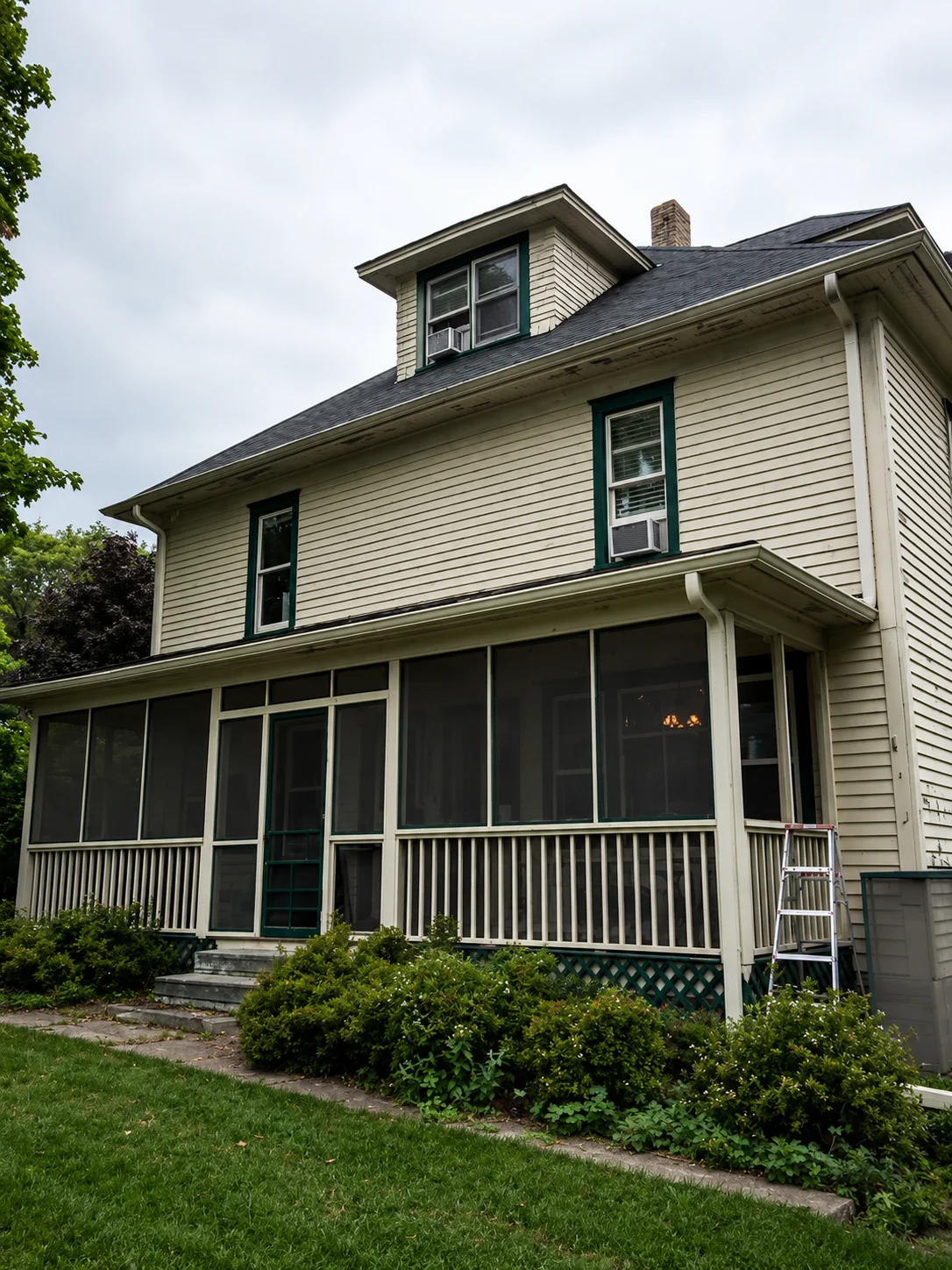
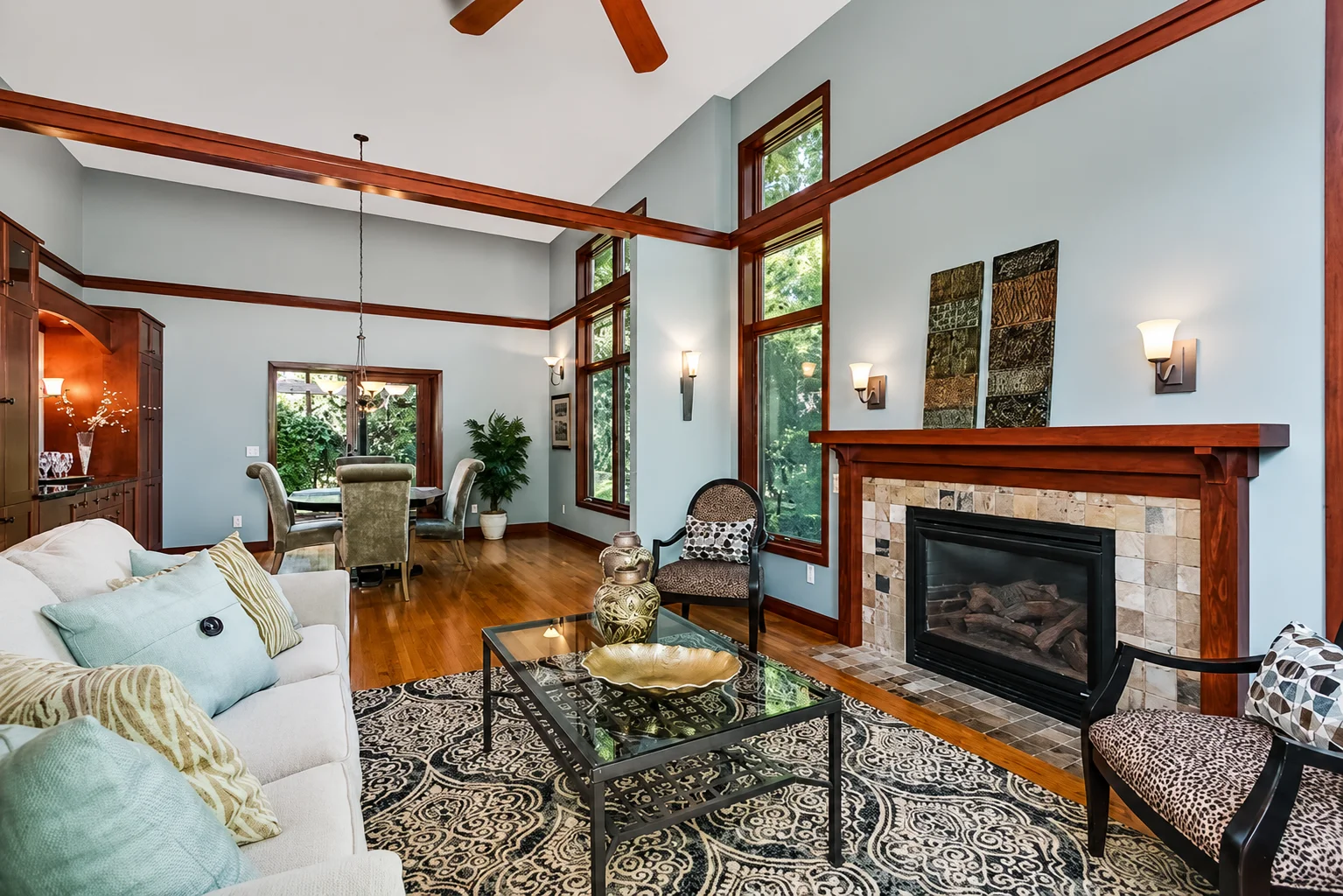
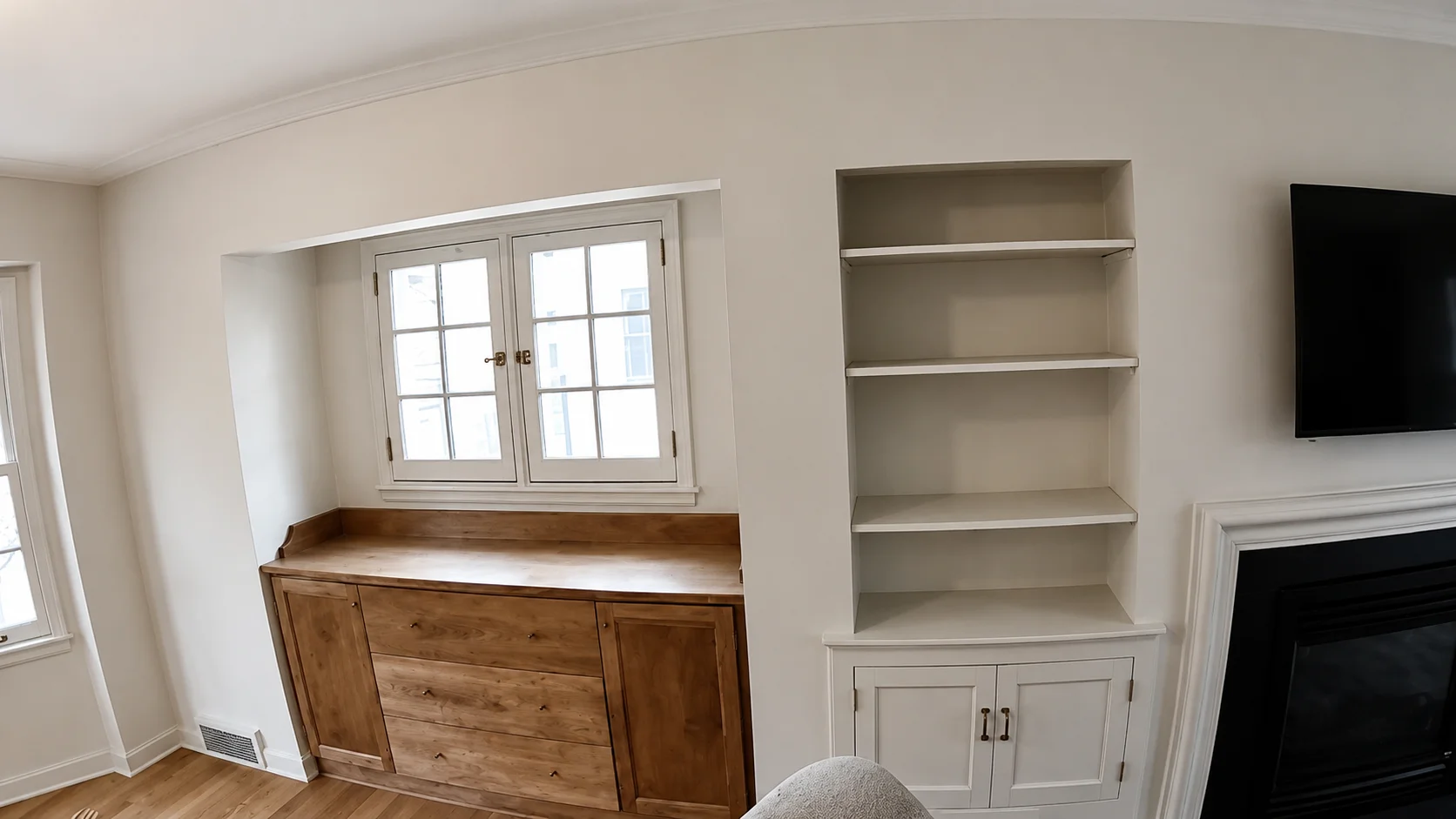
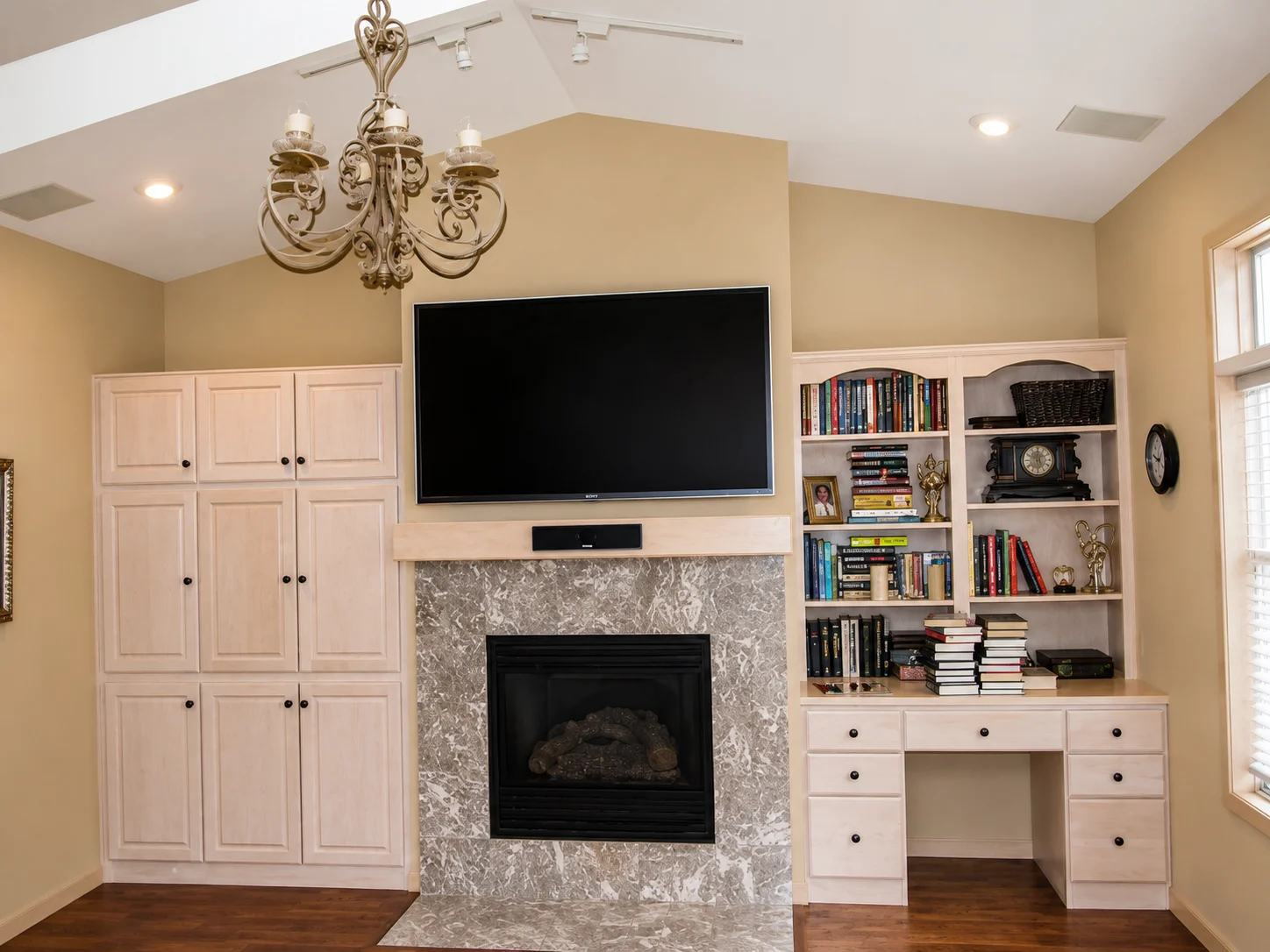
Recent Projects
Frequently Asked Questions
Still have questions?
Reach out — Mike is happy to walk through your project.
Areas We Serve
Want it done right?
Mike Webster has been painting homes around Prior Lake since 2000. Fully insured, with a real warranty.