Call Now: Free Estimates(612)-987-1566
    Deck Staining Built for Minnesota Winters, Not a Catalog Photo
    Webster's Quality Painting • In business since 2000

    Deck Staining Built for Minnesota Winters, Not a Catalog Photo

    In business since 2000
    Fully insured
    2–3 yr exterior warranty
    Owner on every job
    Webster's Quality Painting

    Why homeowners choose Webster's Quality Painting

    Webster's Quality Painting has stained decks and fences across the Twin Cities for 26 years, through every freeze-thaw cycle Minnesota throws at a horizontal wood surface. Here's what most color guides skip: on a deck, stain color isn't just a look, it's a durability decision, because the deck floor takes standing snow in January and direct UV in July. Every exterior job is fully insured and carries a 2 to 3 year warranty. Call (612)-987-1566 for a free estimate.

    Deck and fence staining is a named service we've offered for the life of this business, and after this many seasons on hard-frozen Minnesota decks, we've formed some clear opinions about what actually holds up here. Cost depends on the deck's size, the wood species, how weathered the boards are, and whether we're stripping an old failing coat first. A small refresh runs on the low end; a full strip-and-restain of a large multi-level deck runs considerably higher. Every job is different. Contact Webster's Quality Painting for an accurate estimate.

    Ready to get started?

    Call now or request a free quote — we typically respond same day.

    Deck Staining in the Twin Cities: What the Job Actually Involves
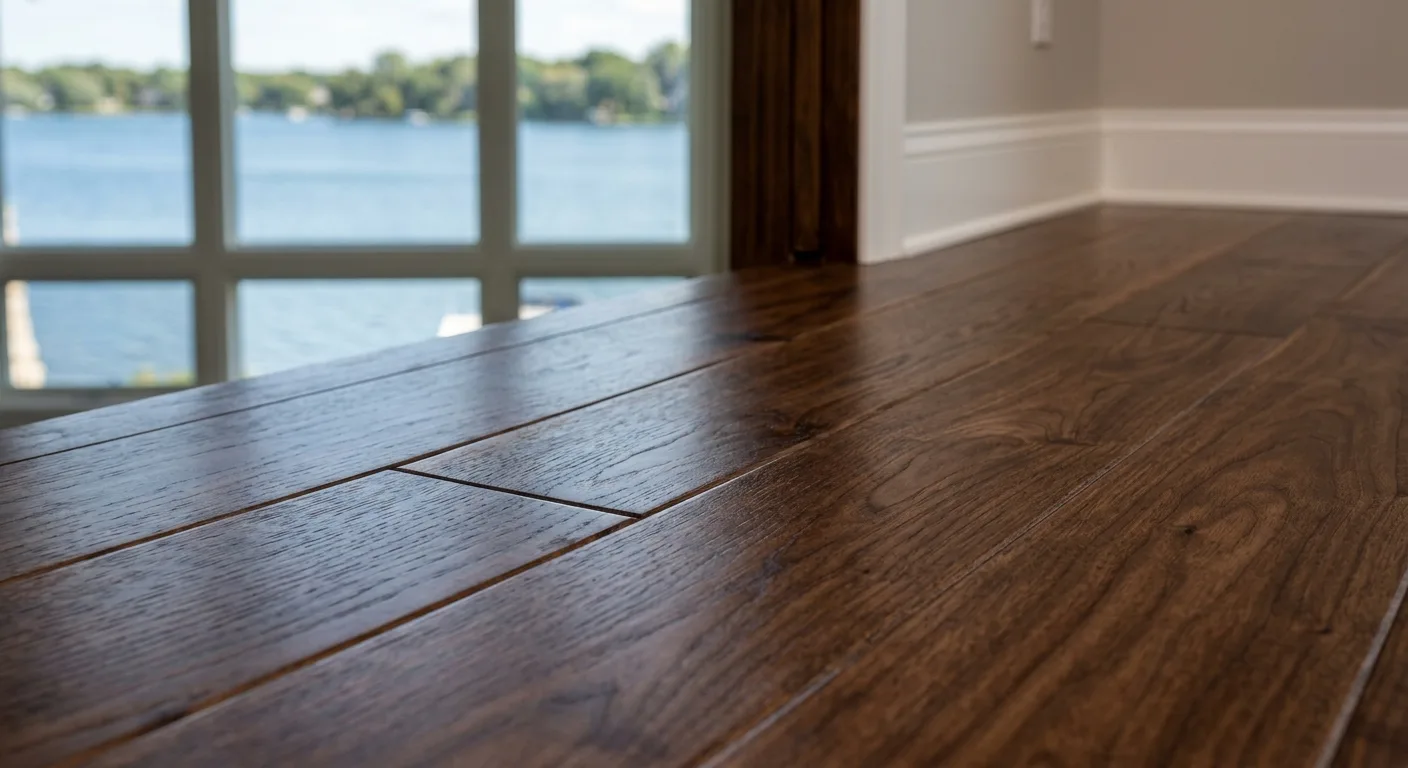
    A proper deck staining job here is roughly 70% prep and 30% stain. On a typical single-level deck we plan on one day for prep and one for staining, weather permitting. First we assess the boards: a stain won't hide splits, cupping, or rot, so soft spots and popped fasteners get addressed before any color goes down. Then the deck gets cleaned, brightened, and left to dry to the right moisture level. Skip that and the stain sits on top instead of soaking in. Wood species changes the plan too. Cedar and pressure-treated pine drink stain differently, and a brand-new pressure-treated deck often needs to weather for a season before it will accept stain at all. If your deck also has wood elements that need repair before finishing, that overlaps with our wood finishing and refinishing work, and heavy grime or a failing old coat usually calls for power washing first. Call (612)-987-1566 and we'll tell you which your deck needs.
    Semi-transparent deck stain showing wood grain on a Minnesota deck.

    The Minnesota Reality: Why Deck Stain Wears Faster Here
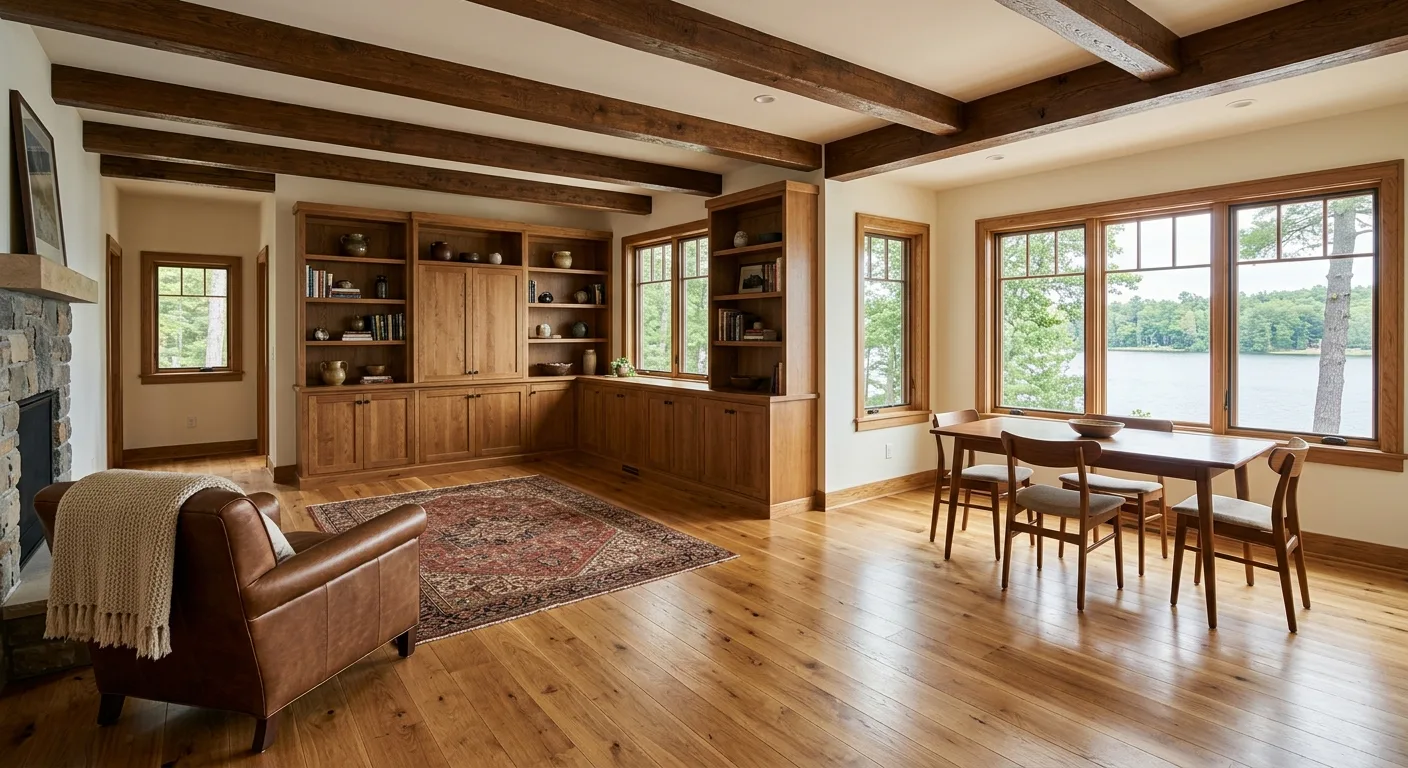
    A deck board is horizontal, so it holds snowmelt and pooled water far longer than vertical siding. That's why deck stain wears out faster than house paint here, and why prep and re-coat timing matter more than the color on the can. It's the single factor most color guides skip, and it's the one that actually decides how long your finish lasts on a Twin Cities deck.
    Wood deck and railing finished in coordinating stain colors.

    Solid vs. Semi-Transparent Deck Stain: Which Holds Up Here
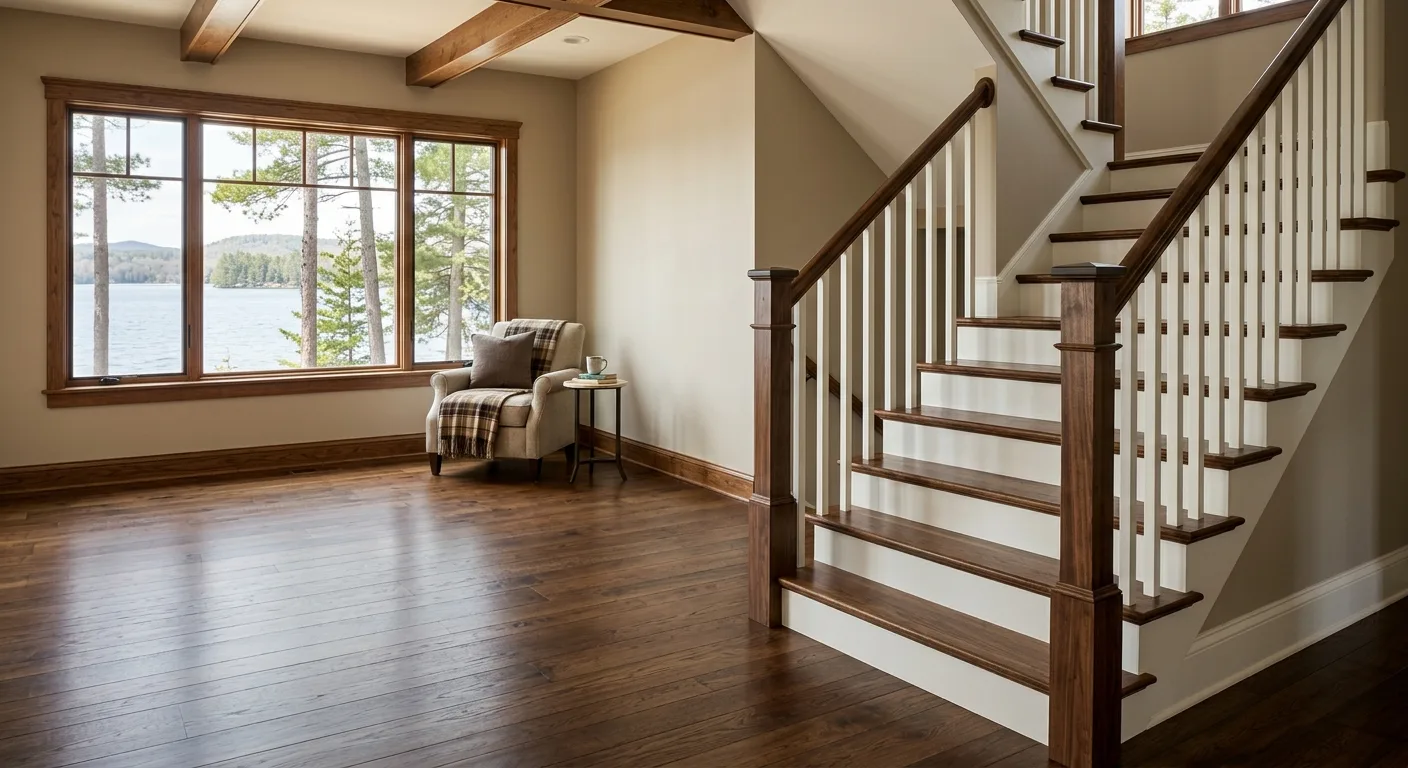
    Here's the honest tradeoff. Semi-transparent stain lets the wood grain show, soaks into the board, and wears by fading rather than peeling, which makes re-coating easier down the road. It typically needs a fresh coat every 2 to 3 years on a Minnesota deck. Solid stain acts more like a thin paint: it hides grain, gives you the widest color range, and lasts longer on the flat deck floor, but when it does fail it tends to peel, and peeling means stripping before you can re-coat. What we've learned from staining decks across the metro for 26 years comes down to matching the product to the surface. On older, weathered, or previously solid-stained decks, solid is usually the right call because the grain isn't worth showing and it hides the mismatch. On newer cedar or well-kept wood, semi-transparent shows the grain and is far more forgiving to maintain. And on vertical surfaces like railings and fences, semi-transparent lasts noticeably longer than it does on the horizontal deck floor, because those boards shed water instead of holding it.
    Exterior wood surface prepped and stained to withstand Minnesota freeze-thaw.

    Same Deck, Two Products: How We Actually Spec It
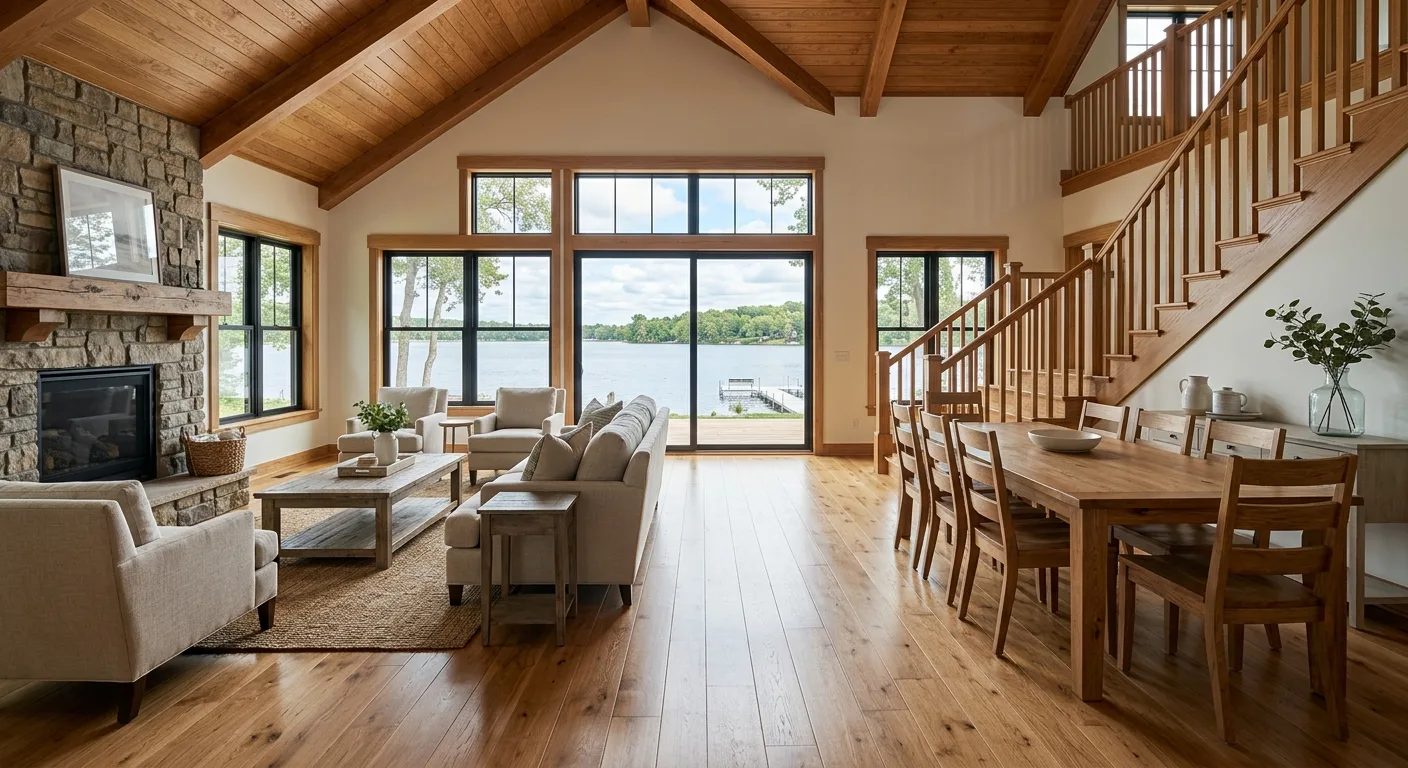
    On the deck floor we'll often spec solid for longevity and keep the railings semi-transparent for looks. Same deck, two products, because the horizontal boards and the vertical ones don't wear the same way in this climate. Ready to talk through which fits your deck? Get a free estimate and we'll walk it with you.
    Deck staining project in the Twin Cities metro with freshly stained wood deck boards.

    Choosing a Deck Stain Color That Works With Your House

    Color is where most homeowners get stuck, so here's how we approach it on an actual project instead of a swatch card. We look at three things: your siding and trim color, how much direct sun the deck gets, and how the color will read once it's dry on real wood, which is almost always a shade or two different from the sample. The deck doesn't need to match your house, and usually shouldn't. A deck that's a few tones different from the siding reads as intentional; one that's an almost-match reads like a mistake. Most of the decks we stain land a bit darker than the trim and in the same warm-or-cool family as the siding, which ties the whole exterior together without the deck disappearing into it. If you're coordinating deck color with a full residential exterior repaint, we plan both palettes at the same time so they're built to sit next to each other.
    Semi-transparent deck stain showing wood grain on a Minnesota deck.

    The Color Mistake We Correct Most

    The mistake we correct most is picking a very dark stain for a deck in full afternoon sun. Dark boards can get genuinely hot underfoot in a Minnesota July, and they show fading faster on the sun-baked side. We flag it before you commit, not after. That's why we put the real stain on a few of your actual boards and let you look at it in morning and late-day light before we commit the whole deck. A color that looks right in the driveway at noon can look completely different on shaded, north-facing boards at 5pm. Call (612)-987-1566 to set up a walkthrough.
    Wood deck and railing finished in coordinating stain colors.

    How Long Does Deck Stain Last in Minnesota

    Straight answer: on a Twin Cities deck, expect a semi-transparent stain to need a re-coat every 2 to 3 years and a solid stain to run a few years longer before it needs real attention. The deck floor always wears first because it's horizontal and takes standing snow, ice, and direct summer UV. Railings, fences, and vertical faces hold their finish considerably longer because water runs off them. The freeze-thaw factor is what drives it: Minnesota can swing dozens of freeze-thaw cycles across a single winter. Each one drives moisture into the wood and back out, and that cycling, not just the cold, is what breaks down a deck finish faster than it would fail in a milder climate. The biggest thing you control is re-coat timing. A semi-transparent deck caught early, while it's just starting to fade, gets a clean-and-recoat. Let it go too long and you're into a full strip, which costs more and takes longer. We back exterior work with a 2 to 3 year warranty, and we'll tell you honestly where your existing coat is in its life so you're not paying for a strip you don't need yet. Tell us what's going on and we'll come back with a plan.
    Exterior wood surface prepped and stained to withstand Minnesota freeze-thaw.

    When Deck Staining Is the Wrong Call

    We'd rather lose the job than sell you the wrong one, so here's when you should not stain yet. Don't stain a brand-new pressure-treated deck the week it's installed. The wood is usually too wet and too mill-glazed to accept stain, and it commonly needs to weather through a season first. Staining it early is the fastest way to a coat that won't bond and peels by the next spring. Don't stain over rot, structural damage, or badly cupped boards hoping color hides it. Stain is a finish, not a repair. If boards are failing, they get addressed first, and at that point you may be closer to a board-replacement conversation than a staining one. And the honest one: if your deck was stained a year ago and still looks good, you don't need us yet. Semi-transparent usually has 2 to 3 years in it. Wait until it starts fading before you re-coat. If you're not sure which bucket your deck falls into, that's exactly the kind of thing we sort out on a free walkthrough. Call (612)-987-1566 and Mike will take a look.
    Deck staining project in the Twin Cities metro with freshly stained wood deck boards.

    Deck Staining vs. Painting a Deck: Why We Almost Always Stain

    People ask whether they should paint the deck instead of staining it, and for a walking surface in this climate the answer is almost always stain. Paint sits on top of the board as a film. On a horizontal deck floor that takes foot traffic, standing snow, and freeze-thaw, that film cracks and peels, and once it peels you're committed to scraping and repainting forever. Stain penetrates the wood, wears by fading instead of peeling, and re-coats far more easily. Paint has its place on vertical trim and some fully covered porch elements, and that's where our enameling and wood finishing work comes in. But for an open deck floor exposed to Minnesota weather, stain is the finish that's actually built for the job. We serve the Twin Cities metro including Burnsville, Woodbury, and Blaine, and we'll give you a straight recommendation for your specific deck. Get a free estimate to start.
    Semi-transparent deck stain showing wood grain on a Minnesota deck.

    Have a project in mind?

    Free, no-pressure quote — let's talk about what you need.

    Our Work

    Recent Projects

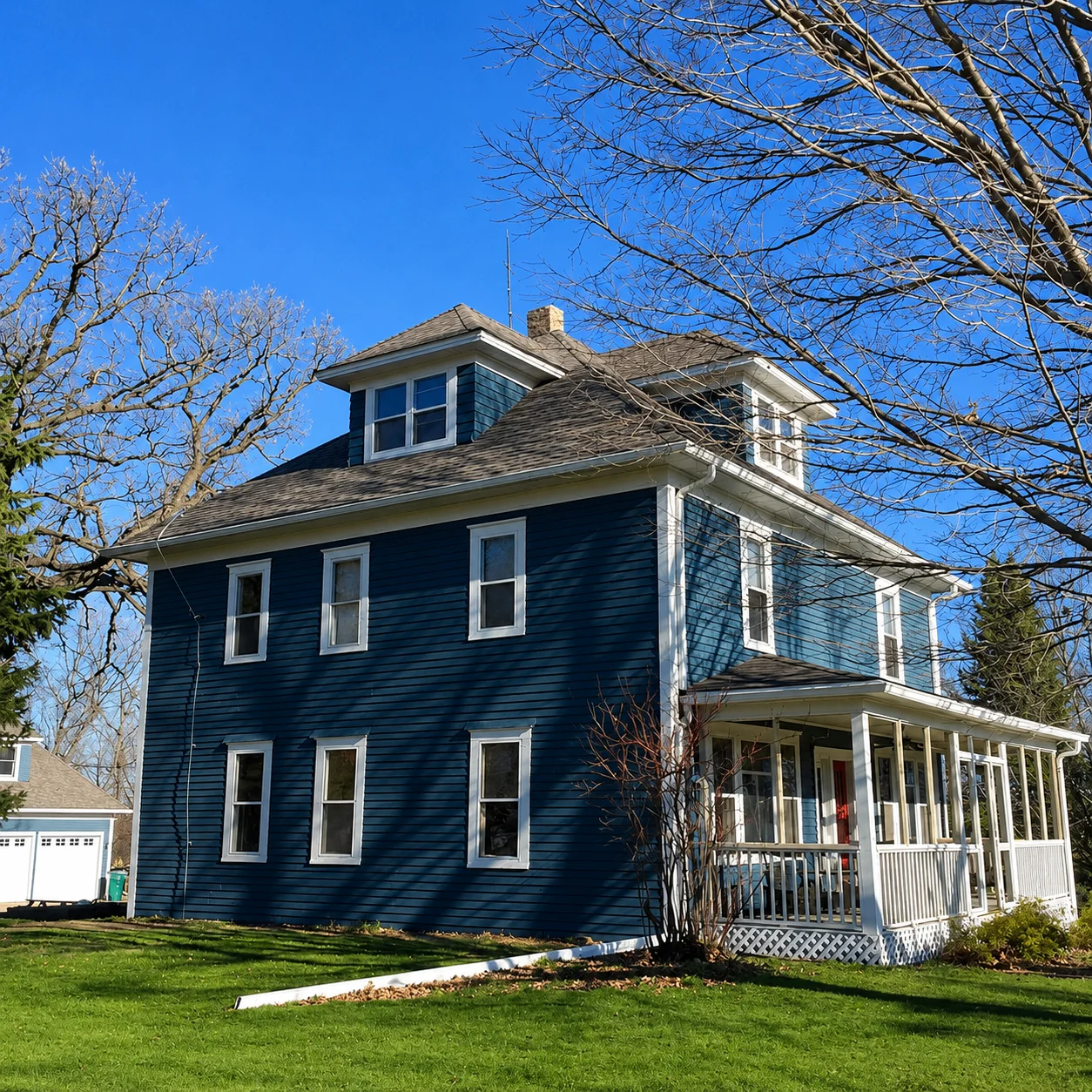
    Two-story home freshly painted in deep navy blue with crisp white trim and wraparound porch.
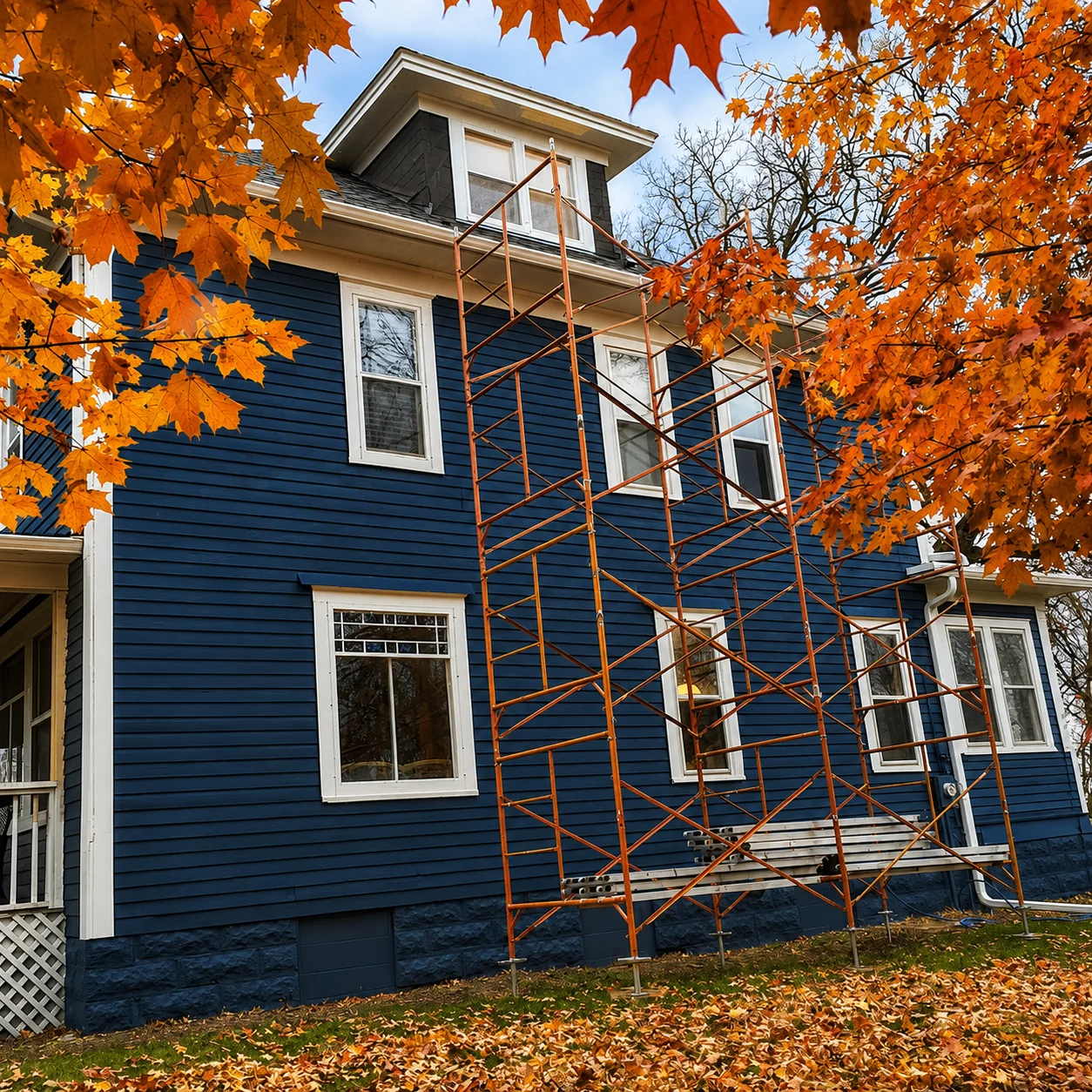
    Webster's Quality Painting crew mid-project on a navy blue exterior repaint with scaffolding in autumn.
    Completed navy blue exterior repaint with bright white trim under a clear sky.
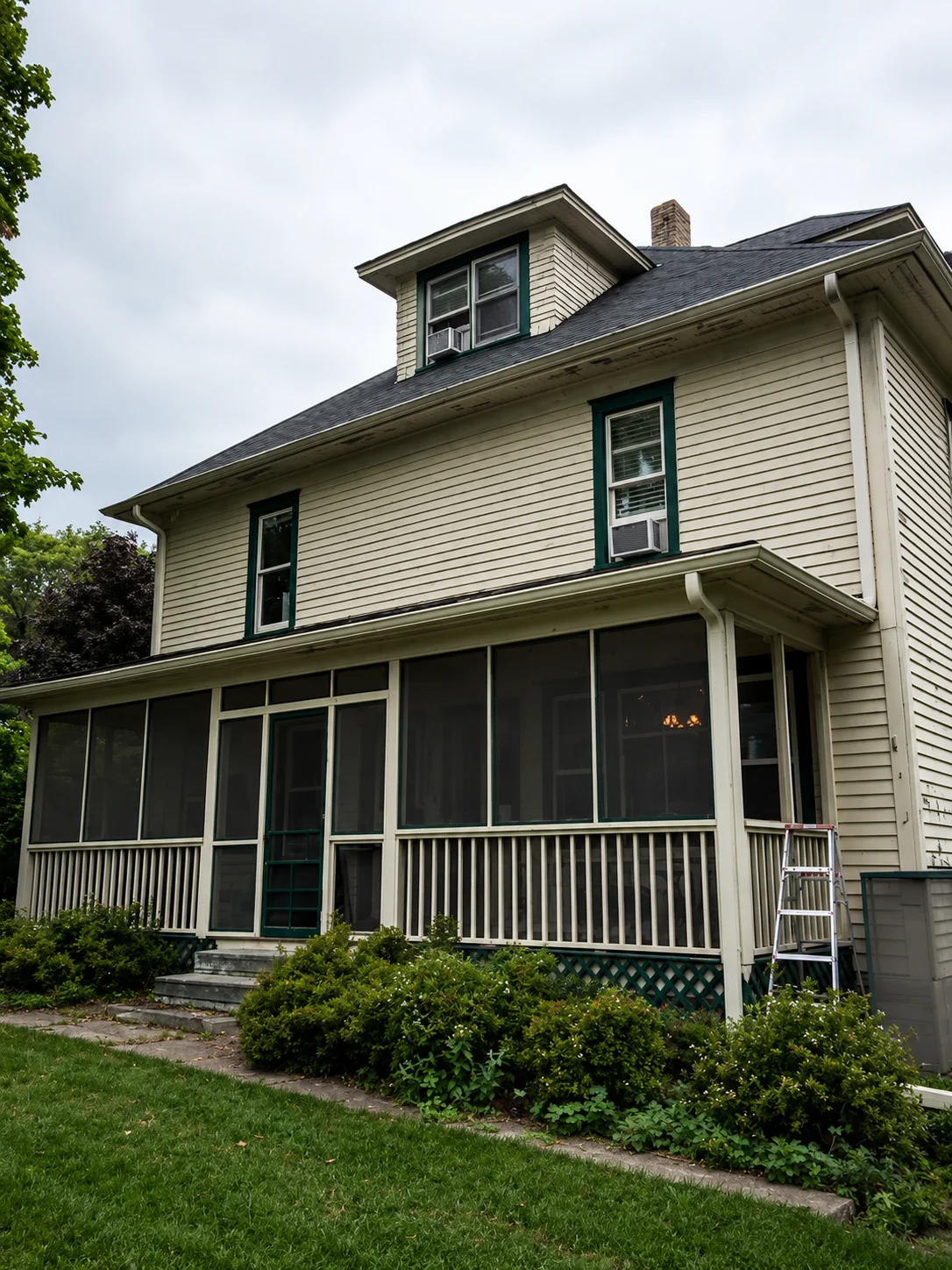
    Before shot: original cream siding with dark green trim, prior to Webster's Quality Painting exterior repaint.
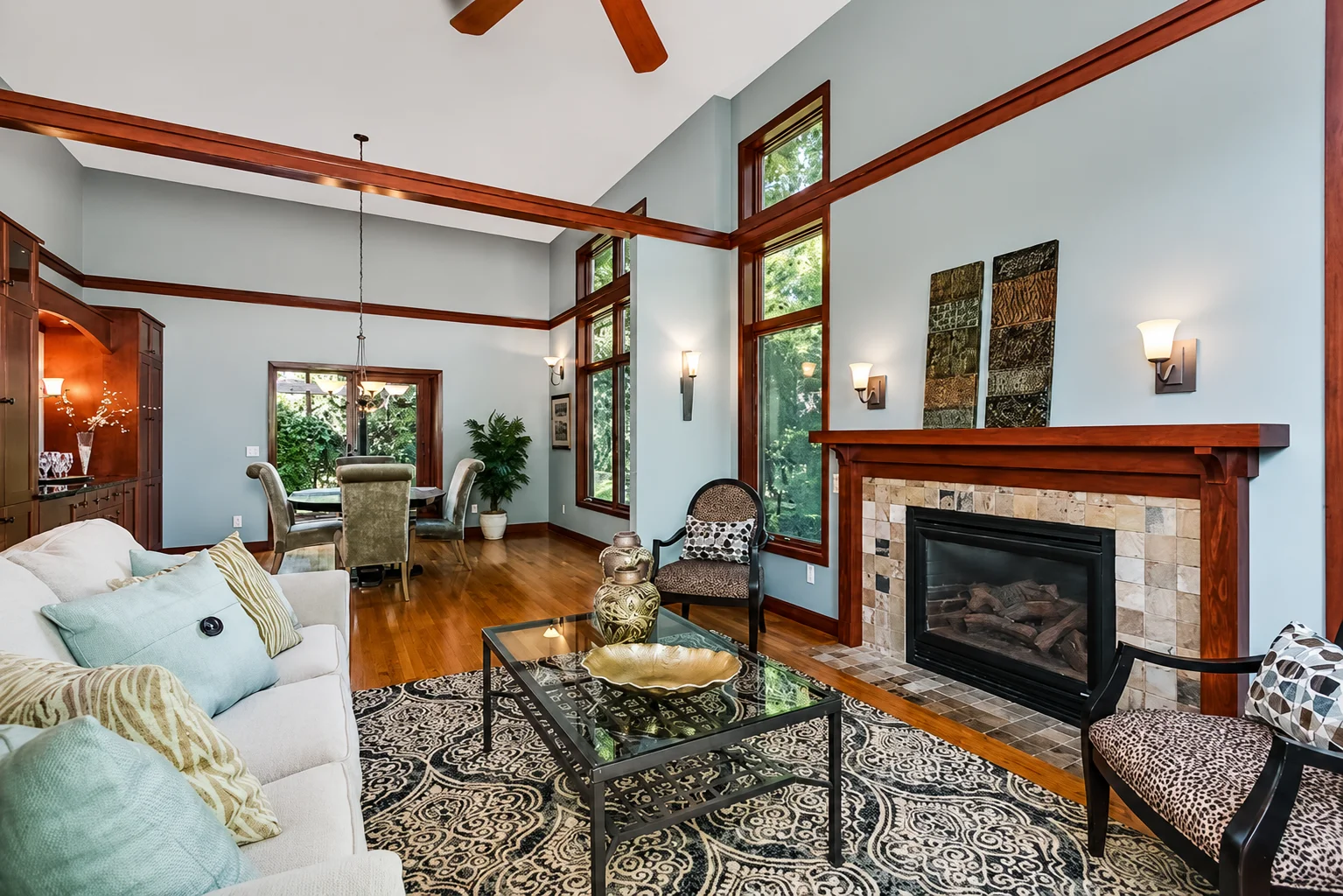
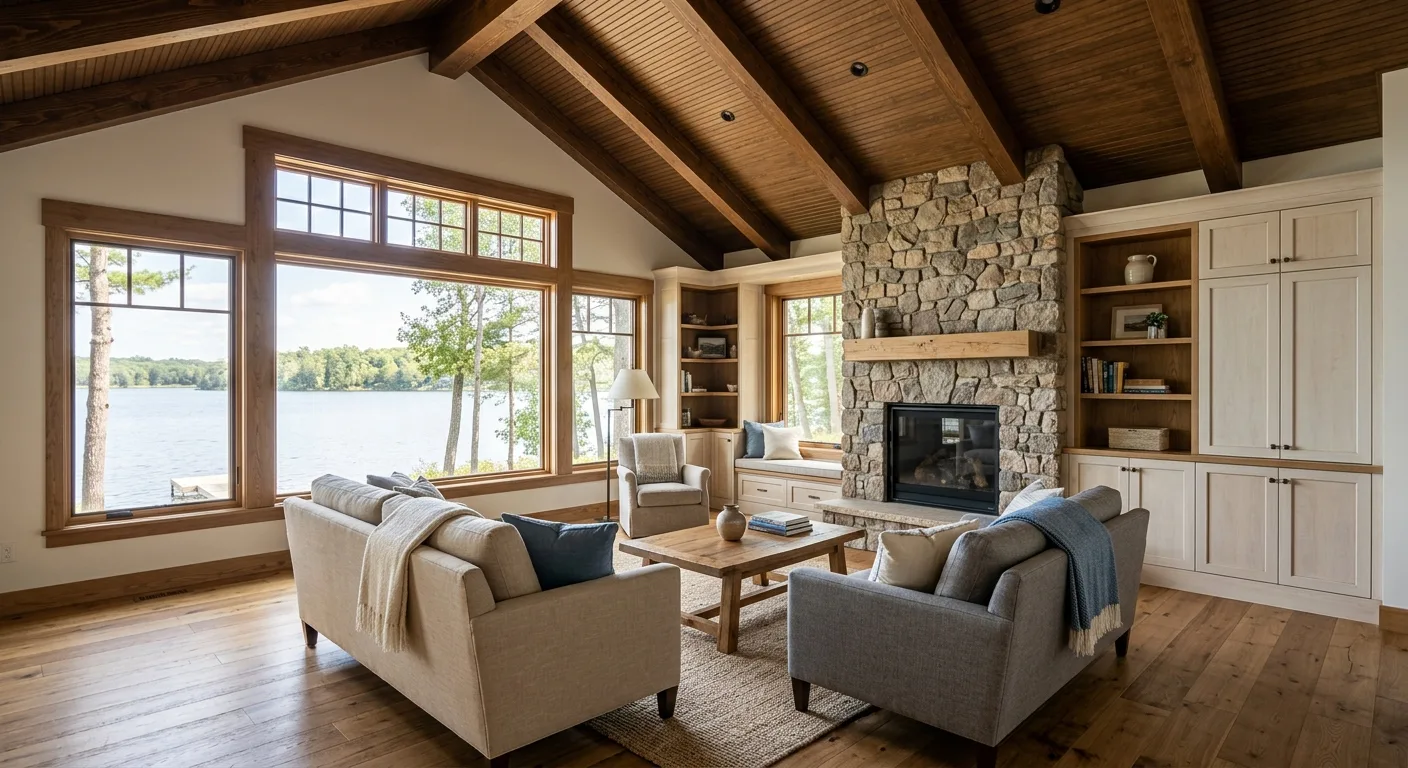
    Open-concept living room painted in a soft blue-gray with rich wood trim, fireplace surround, and vaulted ceiling.
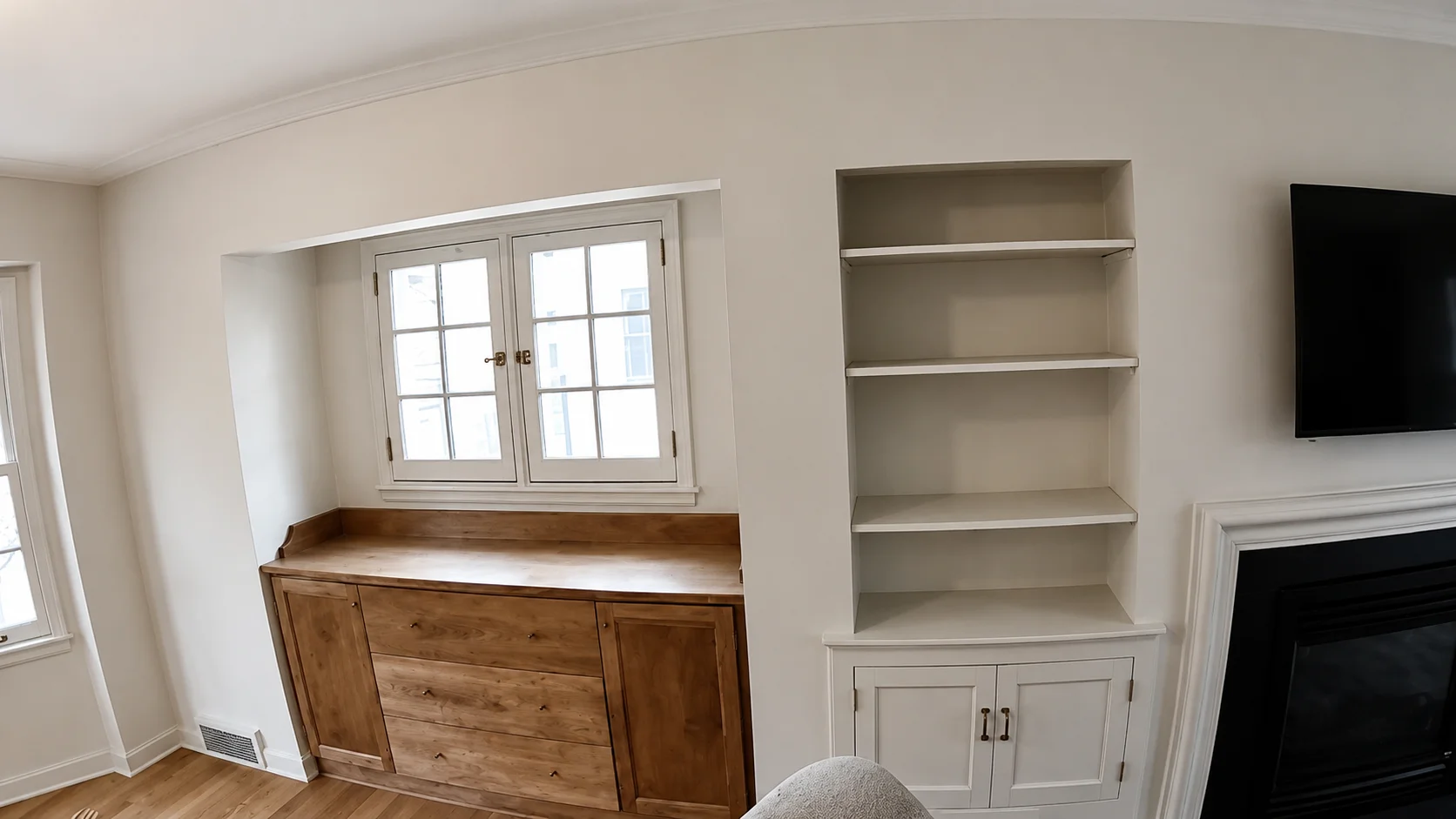
    Built-in window bench and shelving painted in a clean neutral finish beside a fireplace.
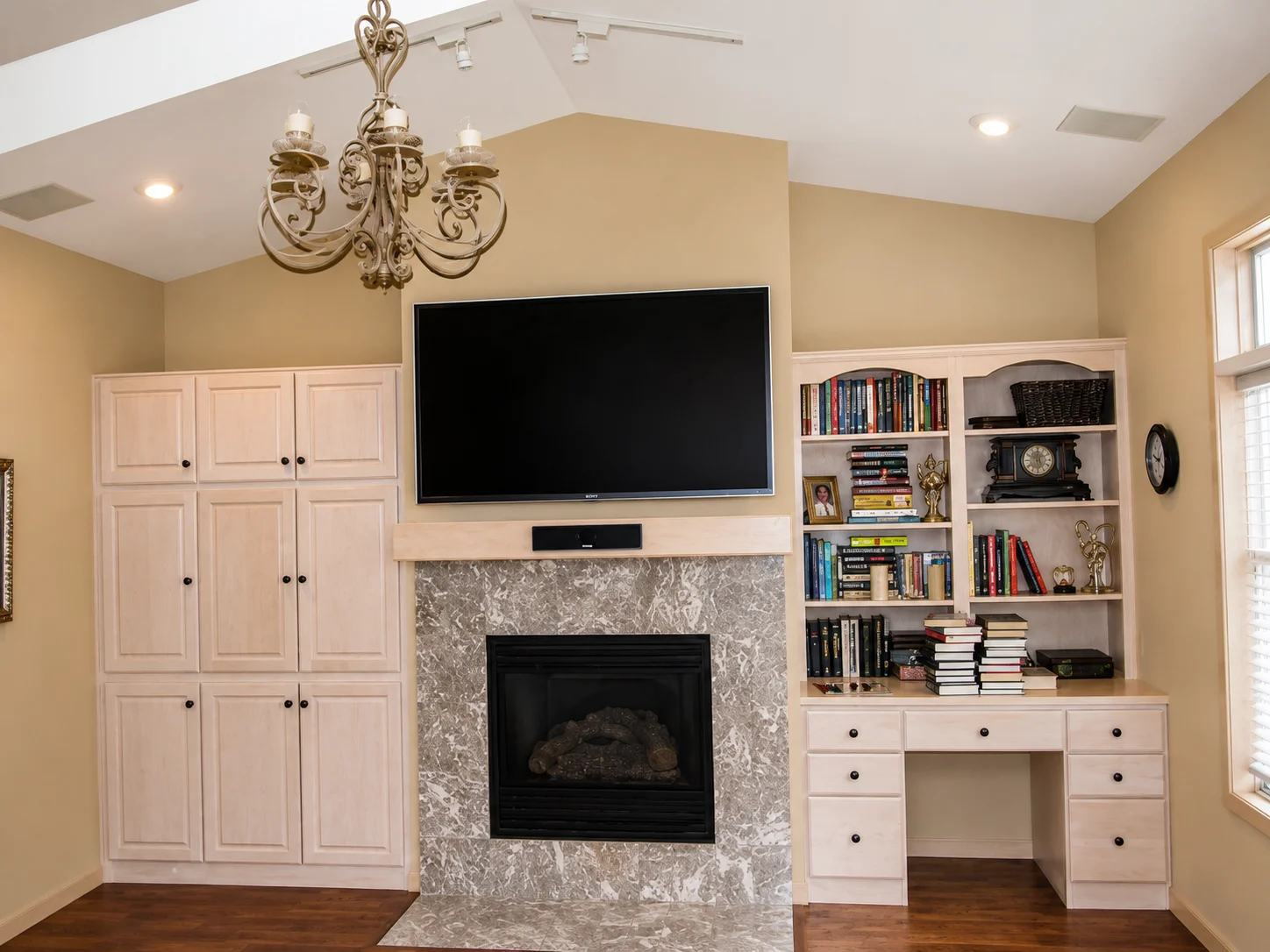
    Custom built-in cabinetry and fireplace surround finished in a light painted tone with integrated shelving and desk.
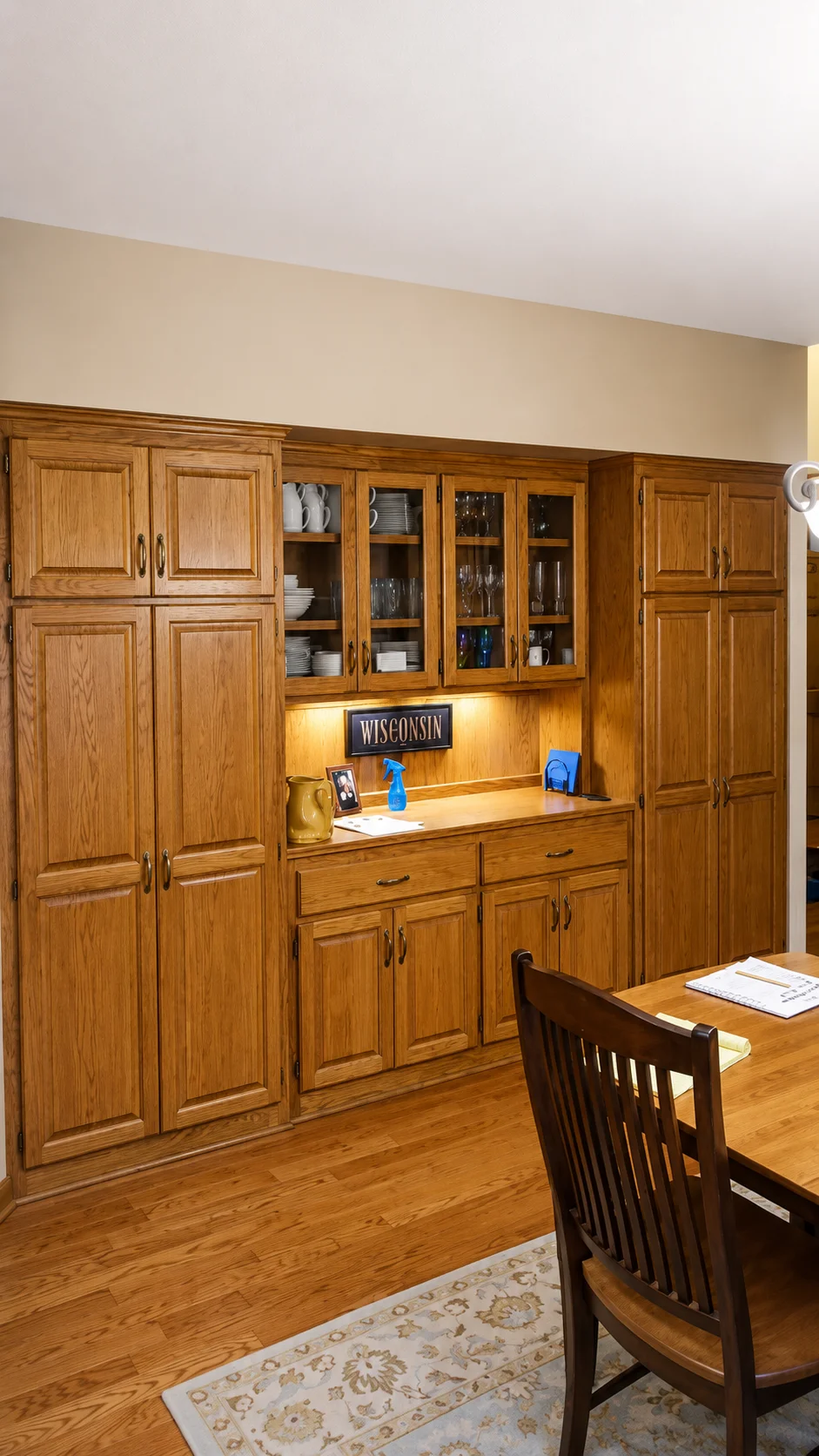
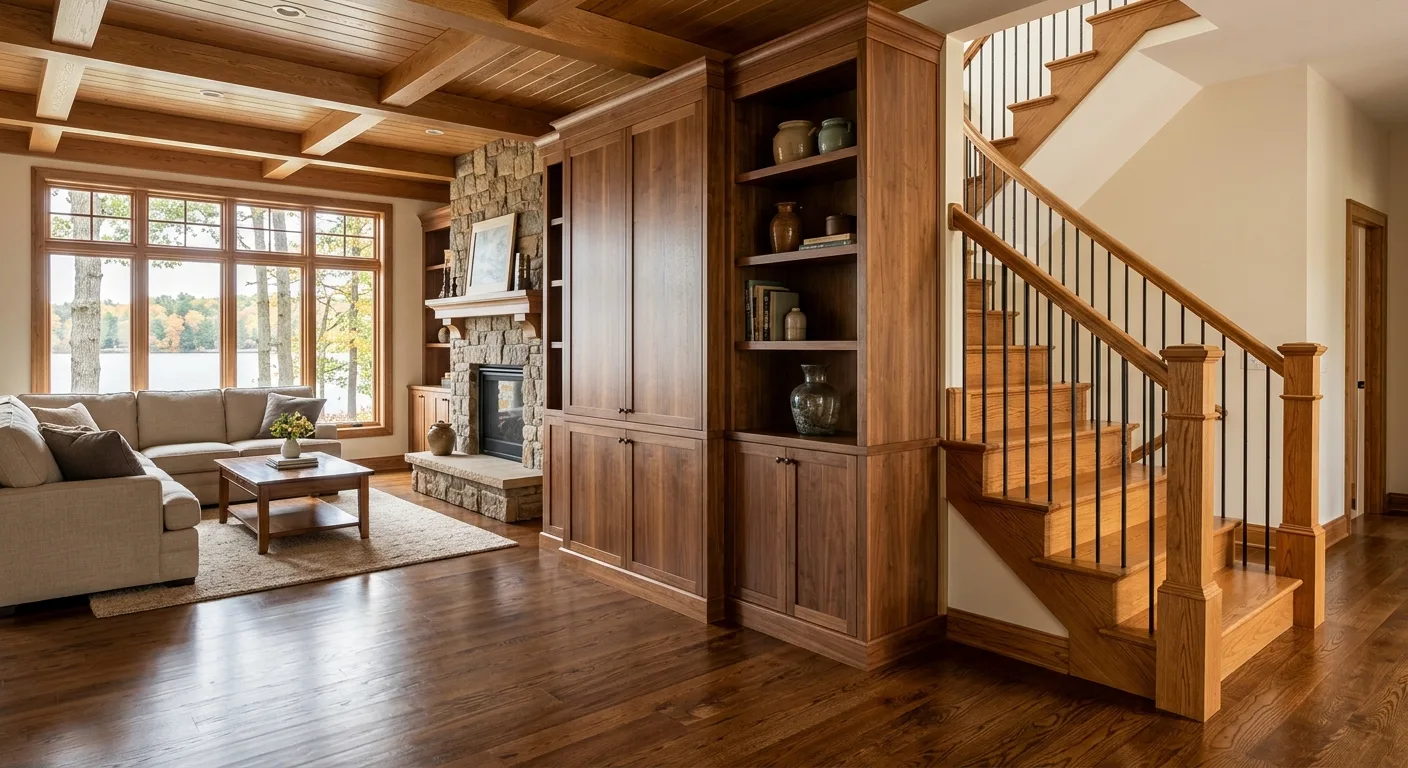
    Warm neutral wall color above stained wood cabinetry in a finished kitchen and dining area.
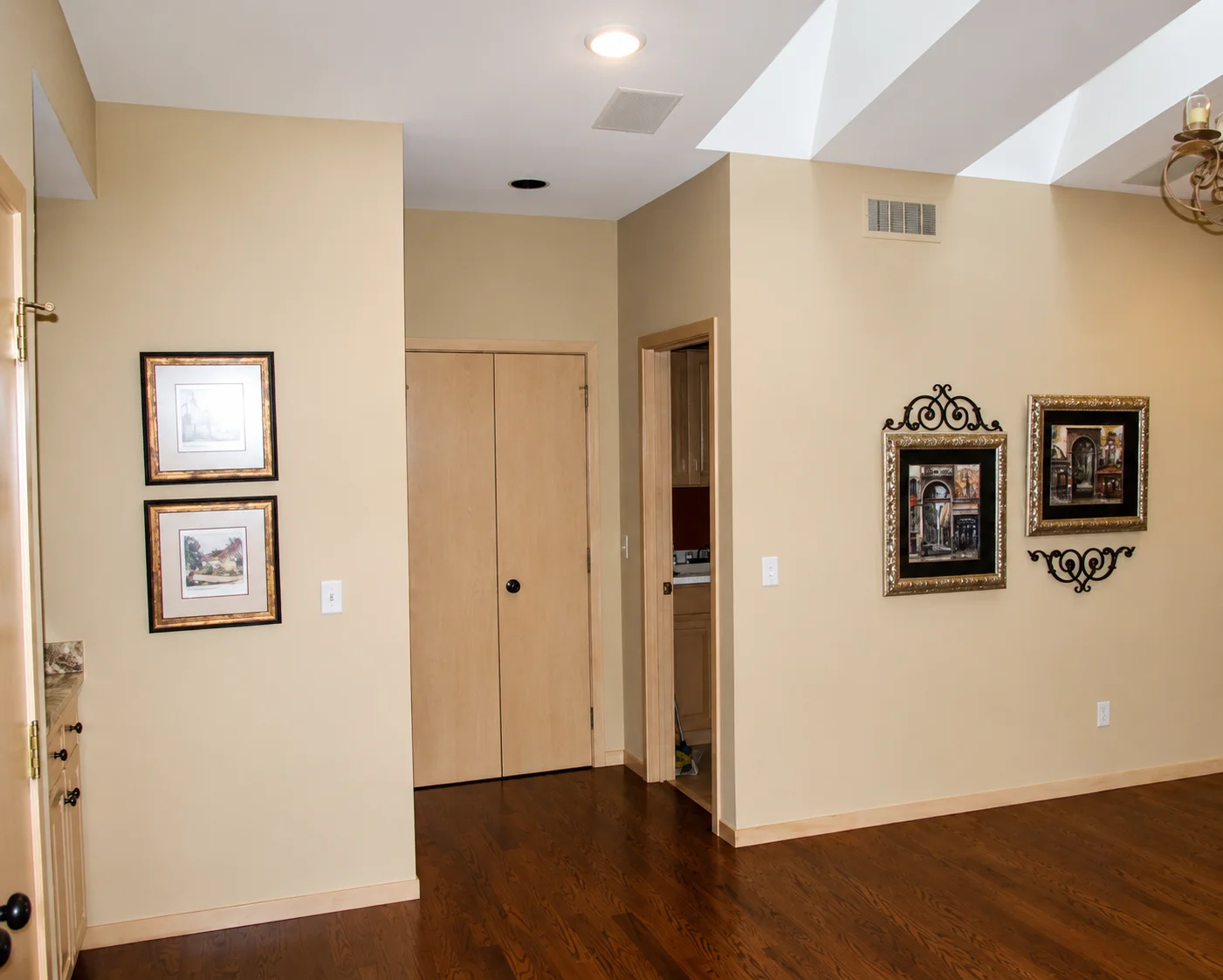
    Freshly painted beige interior walls with clean ceiling lines and wood floors in a bright room.
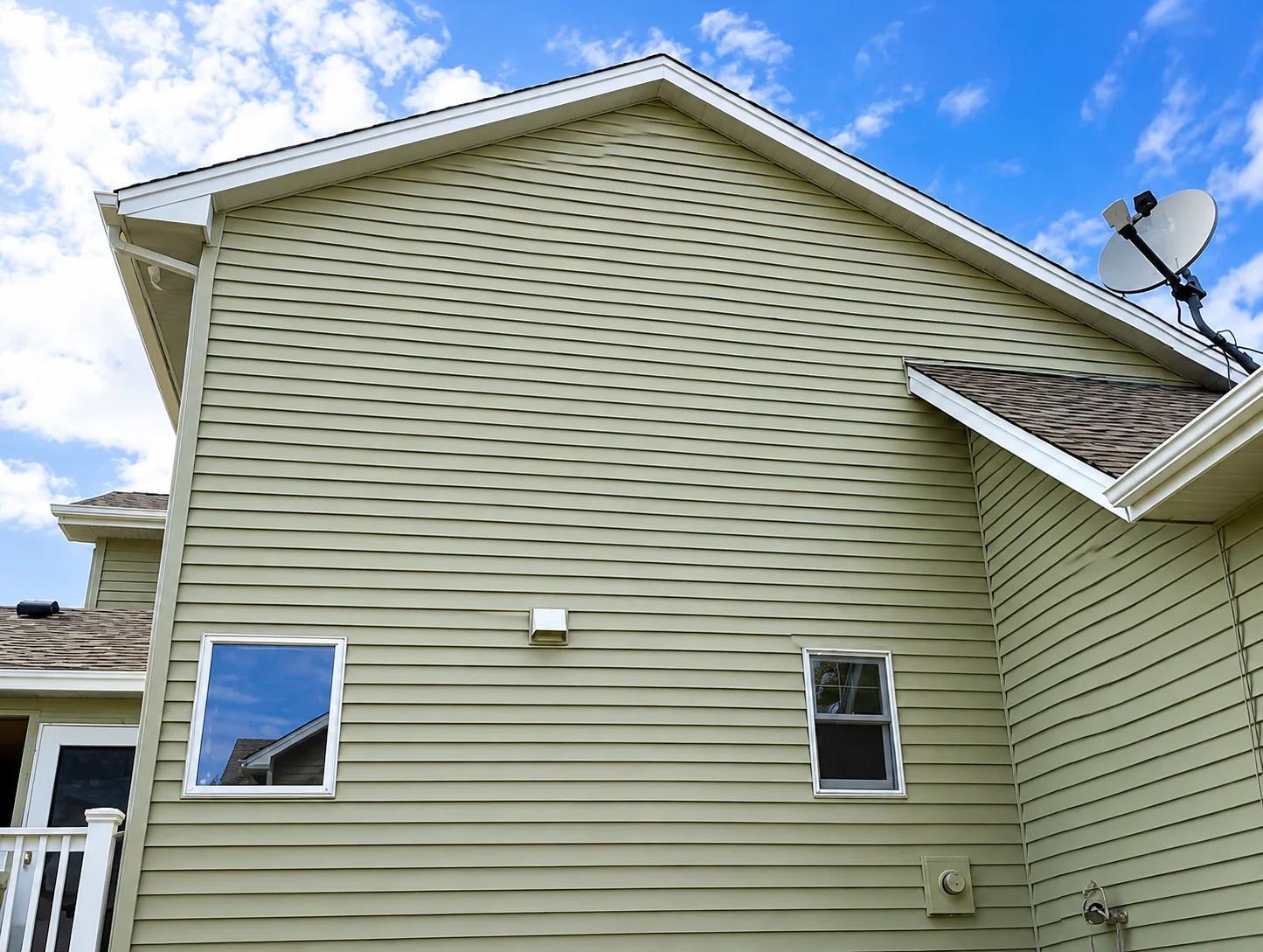
    Freshly painted exterior siding on a home under bright blue skies.
    Deck staining project in the Twin Cities metro with freshly stained wood deck boards.
    Semi-transparent deck stain showing wood grain on a Minnesota deck.
    Good to Know

    Frequently Asked Questions

    Still have questions?

    Reach out — Mike is happy to walk through your project.
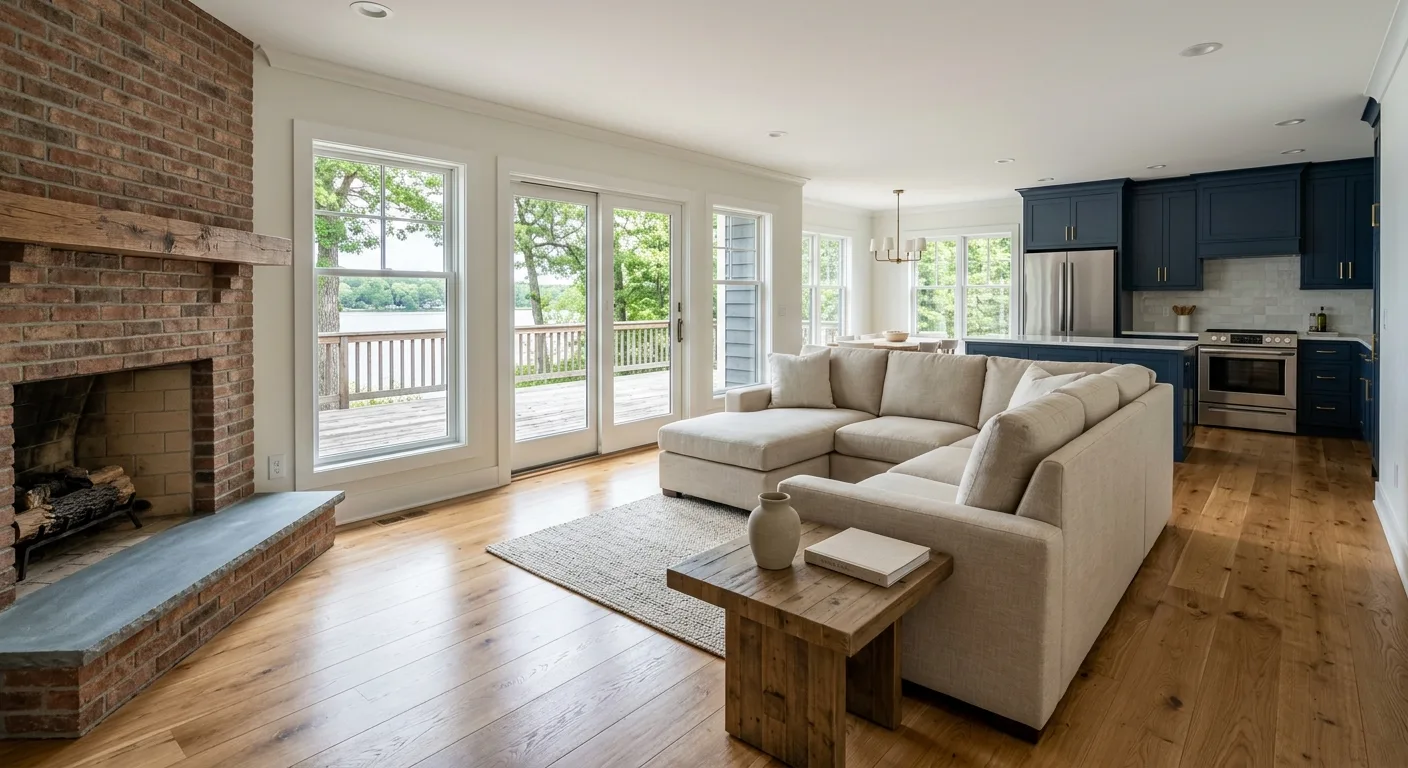
    Want it done right?

    Mike Webster has been painting homes around Lake Prior since 2000. Fully insured, with a real warranty.