
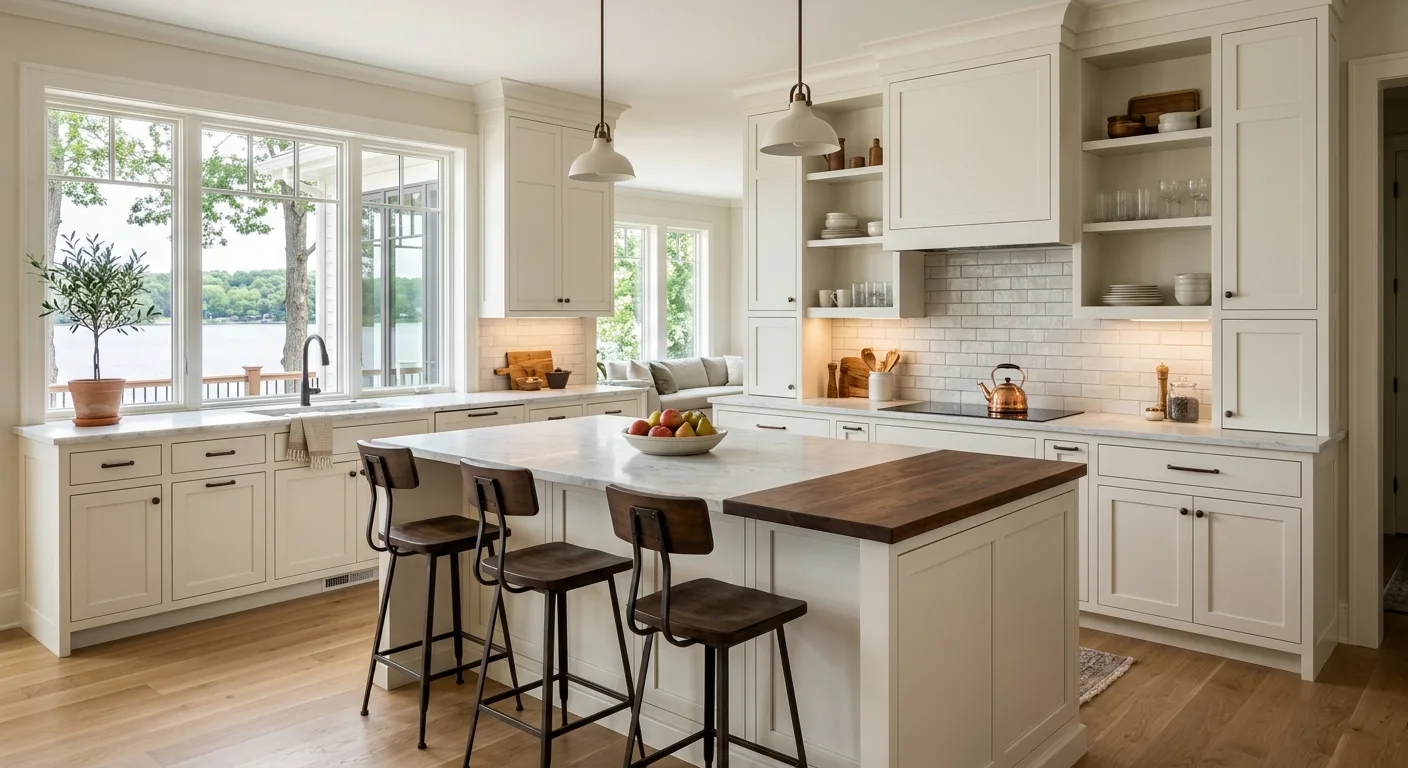
Enamel Painting in Burnsville, for the Surfaces Wall Paint Can't Survive
Why homeowners choose Webster's Quality Painting
You searched for enamel painting in Burnsville because your cabinets, trim, or doors are chipping and scuffing, and you've figured out that another coat of wall paint isn't going to fix it. You're right. Enamel isn't a fancier wall paint, it's a different finish built to cure hard and wipe clean on the surfaces that get touched, kicked, and grabbed every day. Webster's Quality Painting has run enamel work across the south metro for 26 years, Mike Webster is on your Burnsville job start to finish, we're fully insured, and you get a written scope before we open a can. Call (612)-987-1566 for a free estimate.
Here's the part most quotes won't lead with, and it's the detail that decides whether a Burnsville enamel job holds for a decade or blocks shut by spring: enamel needs real cure time, and a Minnesota winter is exactly when most of this work happens. A cabinet door that feels dry to the touch in an afternoon can still be soft in the middle for days. Rehang it too early and it sticks to the frame, prints every fingertip, and marks the first time you close it. The cure window, not the color on the can, is what separates a sprayed-on finish that lasts from one that fails at the drawer edges inside a year.
What follows is the honest version of how enamel work runs here: why cabinets, trim, and doors need a sprayed waterborne-alkyd enamel instead of wall paint, the cure-time trap that ruins good paint in a Minnesota winter, how the 1990s and early-2000s cabinet stock around Burnsville changes the prep, and when you don't actually need us yet.
Ready to get started?
Call now or request a free quote — we typically respond same day.
Enamel Painting in Burnsville: Why Cabinets and Trim Need Enamel, Not Wall Paint
Enamel is the finish you reach for when a surface gets touched every day, and in a Burnsville home that means cabinets, trim, baseboards, and doors. Those surfaces take abuse no wall ever sees, so they need a harder film than flat or eggshell wall paint can give. The difference is physical, not marketing. Wall paint is engineered to sit still on drywall and stay slightly soft so it flexes with the wall, which is exactly the wrong property on a cabinet door that gets grabbed with wet hands a hundred times a week.
Here's how the two actually behave once they're on the surface:
- Hardness: enamel cures to a rigid, washable film, while wall paint stays soft enough that a fingernail marks it for months.
- Blocking: latex-coated doors stick to the frame where they meet and tear the finish when you open them. A fully cured enamel pushes past that.
- Edge chipping: wall paint chips at the handle edge and the rail under the uppers first, because that's where hand oils and abrasion concentrate.
- Washability: enamel takes a degreaser and a scrub. Wall paint burnishes to a shiny spot where you keep wiping.
For the full breakdown of the finish itself, see our enameling process page, and if your project is specifically a kitchen, our cabinet painting and enameling service covers the whole-kitchen version. Call (612)-987-1566 and we'll tell you which surfaces in your home actually call for enamel.
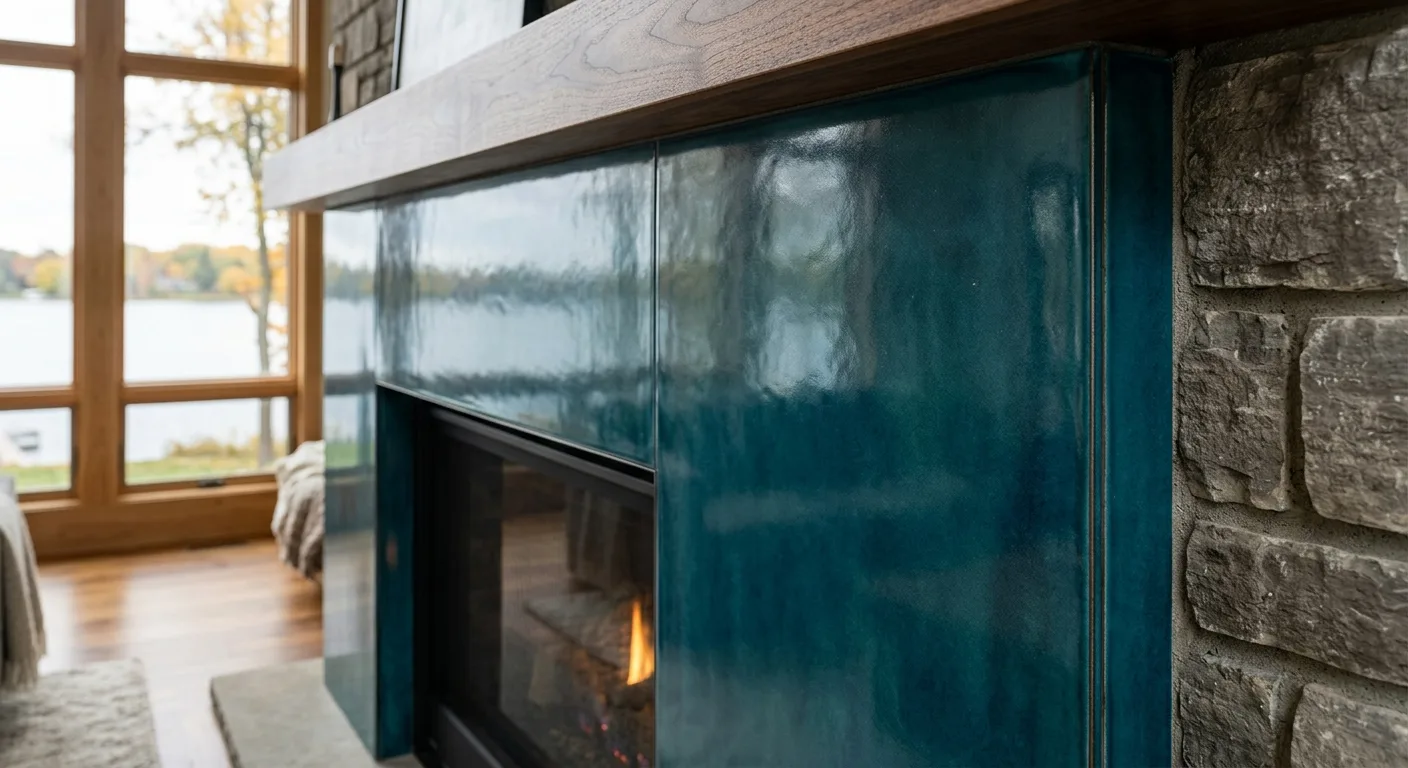
Cabinet Enamel Painting in Burnsville: The Cure-Time Trap No One Warns You About
A cabinet enamel job in Burnsville is won or lost on cure time, and this is the single thing that ruins more DIY and rushed jobs than any other. Waterborne-alkyd enamel, which is what we use for most cabinet and trim work today, dries to the touch in a few hours but keeps hardening for days. Rehang the doors or stack the drawers before the film has cured and the enamel blocks: two coated surfaces press together, bond, and tear when you pull them apart. The paint didn't fail. The clock did.
"Most of the failed cabinet jobs we get called to fix around Burnsville aren't bad enamel. They're a good enamel rehung a day too early, or a great finish rushed onto a factory surface that was never deglossed first."
The Minnesota winter makes this trickier, not easier, and it's worth understanding why. Enamel work is mostly an indoor, cold-weather trade here, because the exterior season closes in November and the crews worth hiring move inside from December through March. Homes run the furnace hard all winter, and that dry, moving indoor air actually helps a properly cured enamel reach full hardness, but it also fools people into thinking a tacky coat is done when it only skinned over. We build the cure window into the schedule instead of racing it. Here's how a Burnsville cabinet enamel job runs so you know what you're paying for:
- Walkthrough and surface read. We identify the face material, honey-oak, maple, thermofoil, or MDF, because each primes differently, and we tell you what we found before we quote.
- Remove doors, drawer fronts, and hardware. They get finished flat off the box so the enamel levels without runs and cures in controlled conditions.
- Degrease, degloss, fill, and sand. This is the bulk of the labor. Prep is roughly 60 to 70 percent of a professional enameling job, and a smooth enamel shows every shortcut underneath.
- Bonding or stain-blocking primer. Slick factory finishes and open-grain oak both need the right primer so coats actually grip and so oak tannins don't bleed yellow through a white finish.
- Two thin enamel coats, not one thick one. Thin coats level better and cure harder. One thick coat sags, traps solvent, and stays soft in the center even when the surface feels dry.
- Full cure before rehang. We give the finish the time it needs to harden before doors go back on, so they don't block shut the first time you close them.
Ready to talk through your kitchen? Get a free estimate and we'll walk it with you.
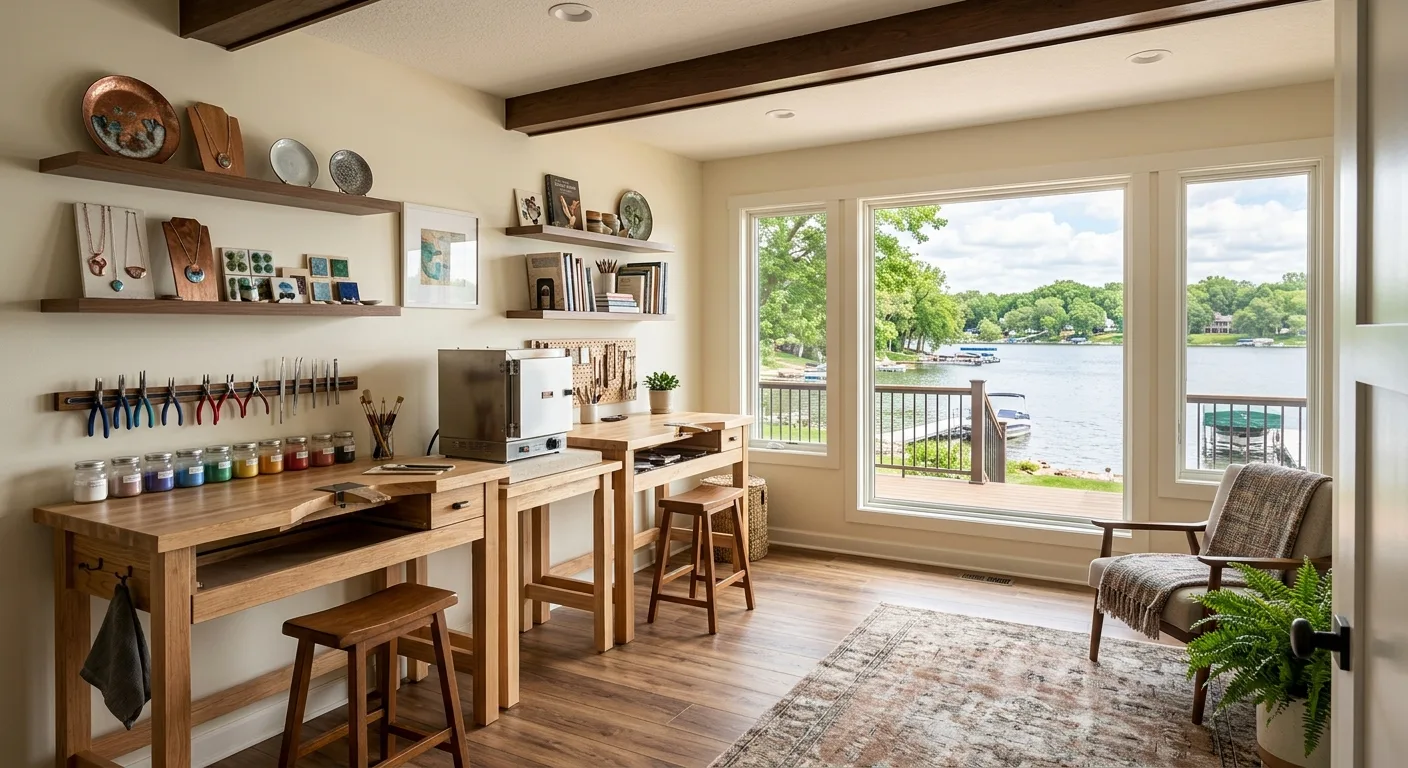
Burnsville Cabinet Stock: Why the 1990s and Early-2000s Honey-Oak Changes the Job
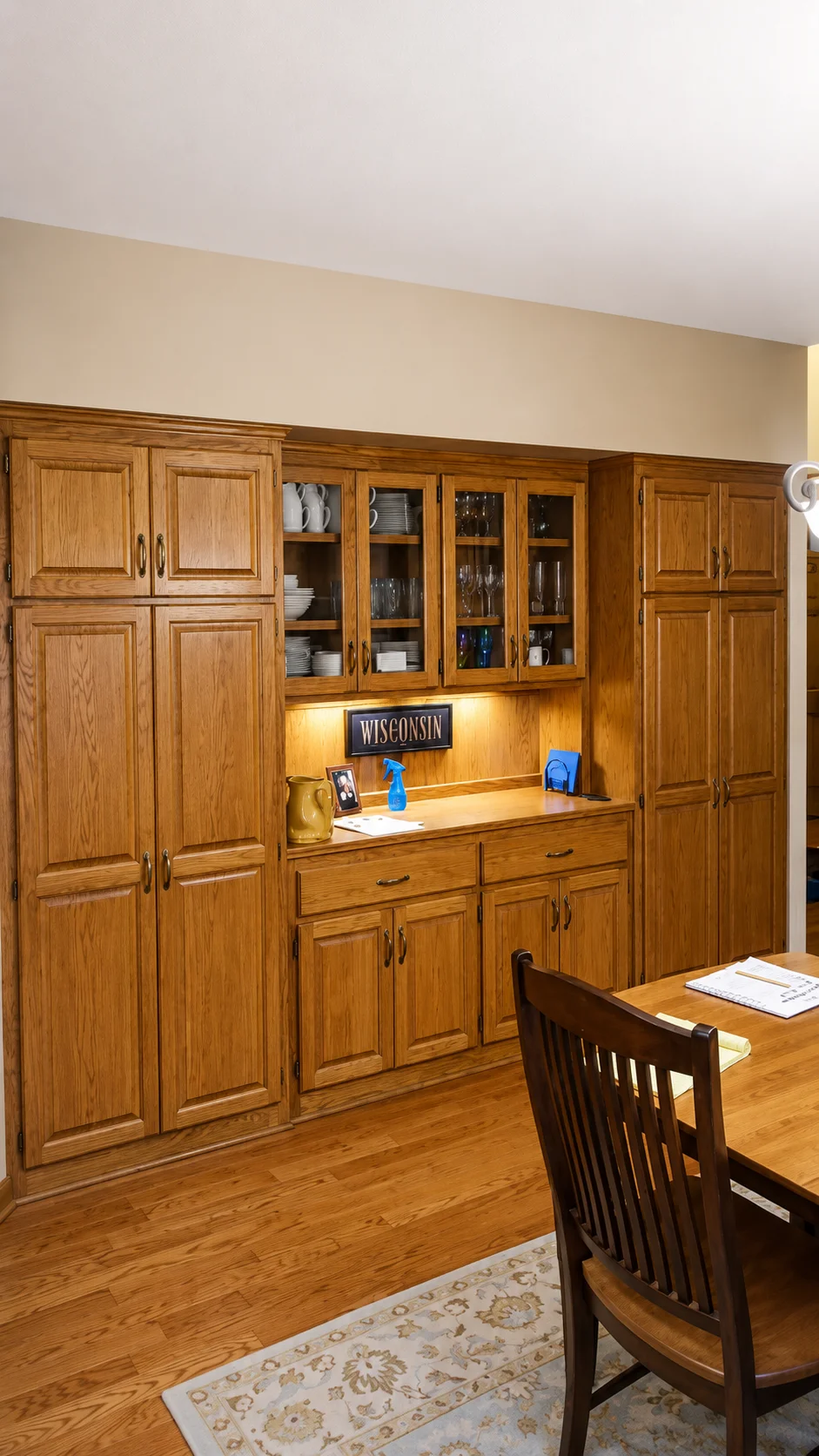
A lot of the kitchens we enamel in Burnsville come from the same era, and that's not a coincidence. The build-out through the 1990s and early 2000s left a huge share of homes here with solid honey-oak or maple cabinet fronts that are structurally fine but dated in color. Those cabinets are perfect candidates for enamel, because the boxes are worth keeping and a sprayed finish costs a fraction of replacement. But honey-oak has one wrinkle that decides the prep: it's open-grained, so every pore telegraphs through a smooth white enamel unless the grain is filled, sealed, and sanded first. Painting oak white is real prep, not a quick coat.
Trim and door enamel in Burnsville homes follows the same logic. The casings, baseboards, and interior doors in these homes often carry the same honey-oak stain as the cabinets, and taking them to a modern enameled white or off-white is one of the most common requests we get. It reads as a whole-home update even when the walls stay the same color. If your woodwork has failing old layers or needs more than a repaint, that overlaps with our wood finishing and refinishing work, and heavily built-up or peeling finishes sometimes call for paint stripping before new enamel goes on. Talk to a painter who spells it out: (612)-987-1566.
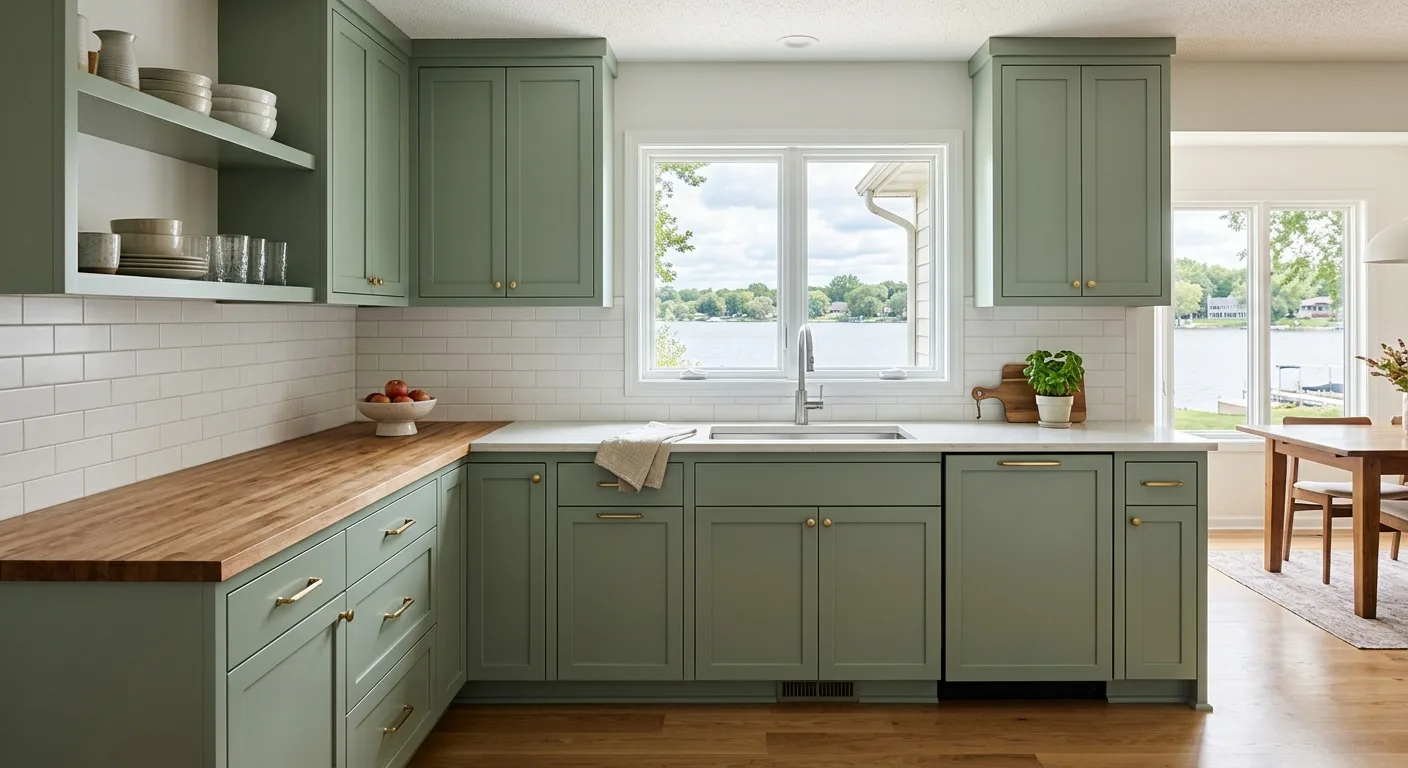
Spray vs. Brush: How We Get a Factory-Smooth Enamel Finish
The question we get constantly is spray versus brush, and both produce a professional result, they just solve different problems. Spray lays down the glass-smooth, mark-free surface people picture when they think of a factory finish, and it's how we handle removable cabinet doors and drawer fronts, finished flat in controlled conditions. Brush and roll is the right call for trim, casing, and doors that stay in place, and for touch-ups where masking an entire room for spray isn't worth it.
A professional enamel job looks smooth from three feet and still looks smooth from three inches. No brush marks, no roller stipple, no lap lines where coats overlapped. Getting there takes the right tools, the right product, and the patience to let each coat cure fully before the next one goes on, which loops right back to the cure-time discipline that carries the whole job. A full set of kitchen cabinets, uppers and lowers, typically takes 3 to 5 gallons of enamel depending on the cabinet count and whether you're changing from a dark stain to a light color. Tell us what you're working with and we'll come back with a flat, written number.
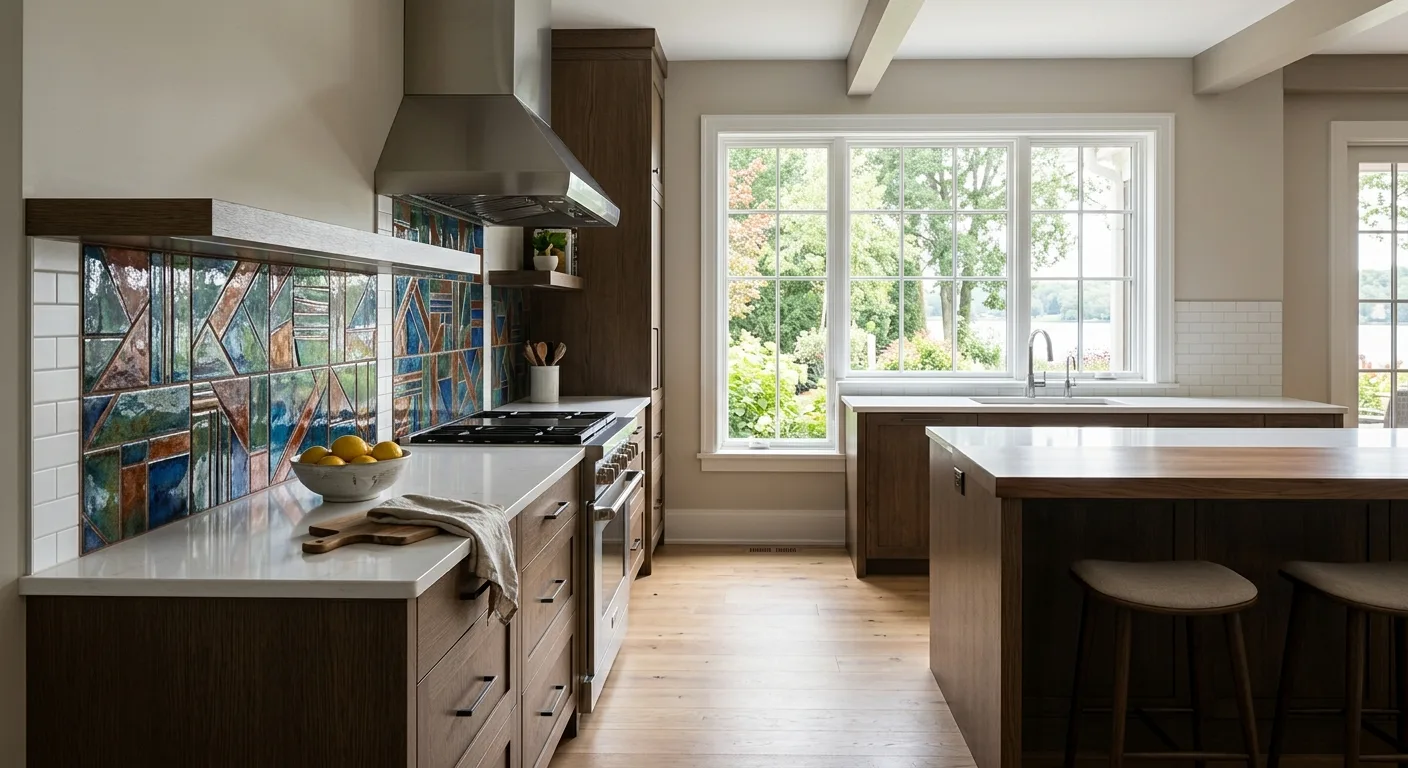
When Enamel Painting Is the Wrong Call
We'd rather lose the job than sell you the wrong one, so here's when you should not call us yet. If you've got a small chip on trim you already enameled yourself, that's a touch-up, not a project. Dab it with the leftover can and move on. A painter quoting you a whole-room repaint for that is padding the invoice.
We also don't push oil-based enamel for most Burnsville interiors. Oil-based enamels yellow over time on white and off-white finishes, while the waterborne alkyds we use hold their color far better and clean up without harsh solvents. That's the right chemistry for a white kitchen that needs to still look white in five years. Enamel is the right call when the scope is real: dated oak cabinets worth keeping, trim and doors chipped down to the touch points, or a dark-to-light color change you want done so it actually lasts. Not sure which bucket your project falls into? Call (612)-987-1566 and Mike will take a look.
Enamel Painting Across Burnsville and the South Metro
Burnsville is a regular stop for us, and we run enamel work on cabinets, trim, and doors throughout the south and southwest suburbs, Monday through Saturday, with the heaviest interior season from December through March. We've worked the Burnsville neighborhoods for years, from the ramblers near Nicollet Commons to the two-stories closer to Crystal Lake to the newer builds out by the retail corridor. If you're comparing painters, or you've got a property here and another one close by, we're worth a call.
For everything we do locally, see our full painting in Burnsville rundown, and for the deeper read on the finish itself there's our enameling process page. Wherever your project is in the south metro, we'll give you a straight recommendation on product, method, and cure time before any work begins. Get a free estimate to start.
Have a project in mind?
Free, no-pressure quote — let's talk about what you need.
Recent Projects
Frequently Asked Questions
Still have questions?
Reach out — Mike is happy to walk through your project.
You Might Also Be Interested In
Areas We Serve
Want it done right?
Mike Webster has been painting homes around Prior Lake since 2000. Fully insured, with a real warranty.